Alps Extreme Sports Feature
The peaks, terrain and outdoor culture of the European Alps, seen through the athletes who fly, climb and ride them.
Global Extreme Sports · Europe Special Edition · 2026
2026 International Special Issue
Challenge the limits, break through yourself, explore the world and embrace freedom — a special issue devoted to the fifteen sports redefining what the human body can do.
Editor's Note
This issue features fifteen extreme sports from around the world, with a focus on the development, events, athletes, outdoor exploration and industry vitality of extreme sports in Europe. Coverage also extends to the Americas, Asia and the rest of the world.
The issue follows the editorial style of an international sports magazine, highlighting positive development, sportsmanship, the most exciting event moments, technological progress and the value of outdoor tourism.
In This Issue
The Issue in Numbers
Feature Columns
The peaks, terrain and outdoor culture of the European Alps, seen through the athletes who fly, climb and ride them.
Nazaré, Tarifa and the Atlantic coastline — the swells and wind that power Europe's fastest-growing ocean sports.
From summer lift-served bike parks to marathon world championships, riding culture reshapes alpine resorts.
Freeride powder, frozen waterfalls and wingsuits — the vertical winter world of Europe in motion.
Skateboarding and BMX turn public space into a stage for the energy of a new urban generation.
The world-class circuits, prize funds and equipment markets that carry extreme sports forward.
Air · Rock · Ice · Water
Eight wingsuit pilots lock formation above the Mont Blanc massif. A wall of Atlantic water detonates off Nazaré. A mountain bike screams down a Dolomite ridge at sixty kilometres an hour. Ice axes bite into frozen waterfalls, paragliders rise on Alpine thermals, and a slackline hums two thousand metres above the valley floor. Ten disciplines, one obsession: the next limit.
French Alps · High-Altitude Flight
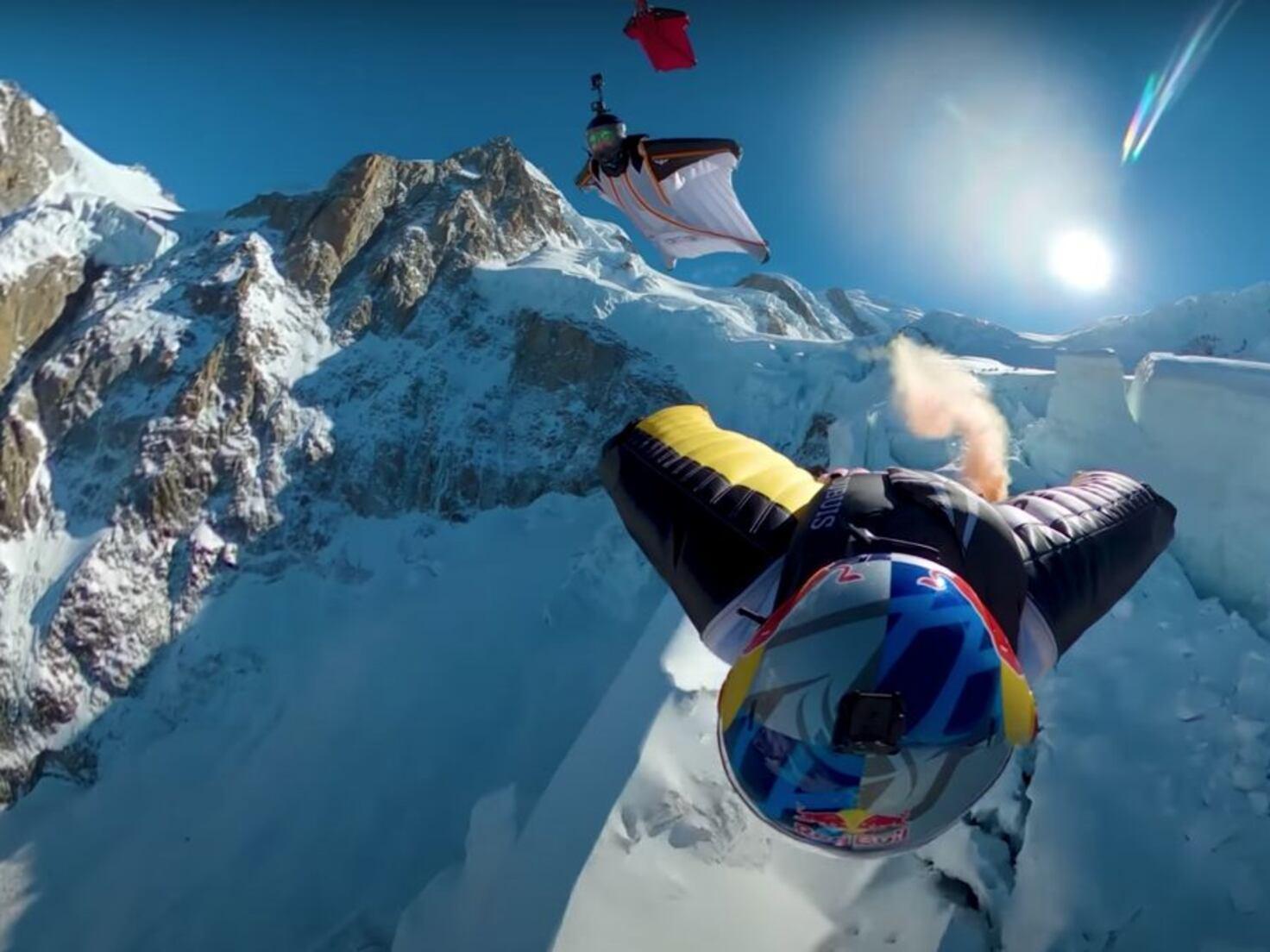
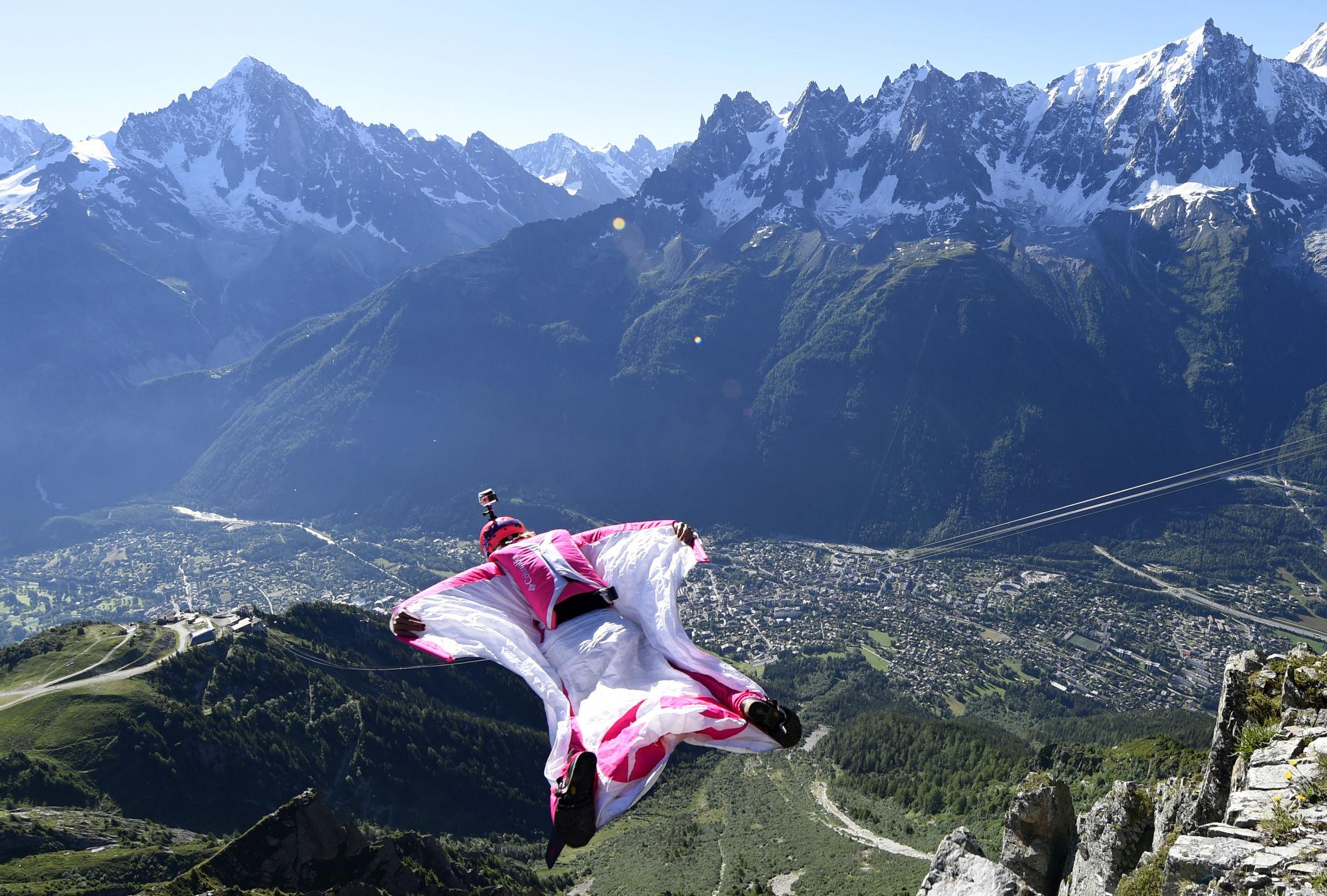
Eight top European pilots complete a high-altitude formation flight over Mont Blanc, writing a new chapter in mountain flight.
Wingsuit flying is one of the most visually striking extreme sports in the world. Athletes wear specially designed wingsuits, controlling their flight direction through body posture and completing high-speed glides, formation changes and precision flight in the air.
In June 2026, the Mont Blanc region of France welcomed a remarkable wingsuit project. A team of eight international top pilots launched a formation flight from an altitude of about 5,500 metres, completing a horizontal flight distance of roughly 7.5 kilometres. Throughout the flight, the athletes had to maintain strict formation coordination and regroup and rejoin in the air.
This flight not only showcased individual flying skill, but also fully demonstrated that modern extreme sports increasingly value teamwork, professional training and the development of aerial filming technology.
The European Alps, with their magnificent peaks, complex terrain and mature outdoor sports culture, are an important region watched by wingsuit enthusiasts around the world.
Source Red Bull — June 29, 2026 Mont Blanc wingsuit formation report
Nazaré, Portugal · Ocean Extreme Sports
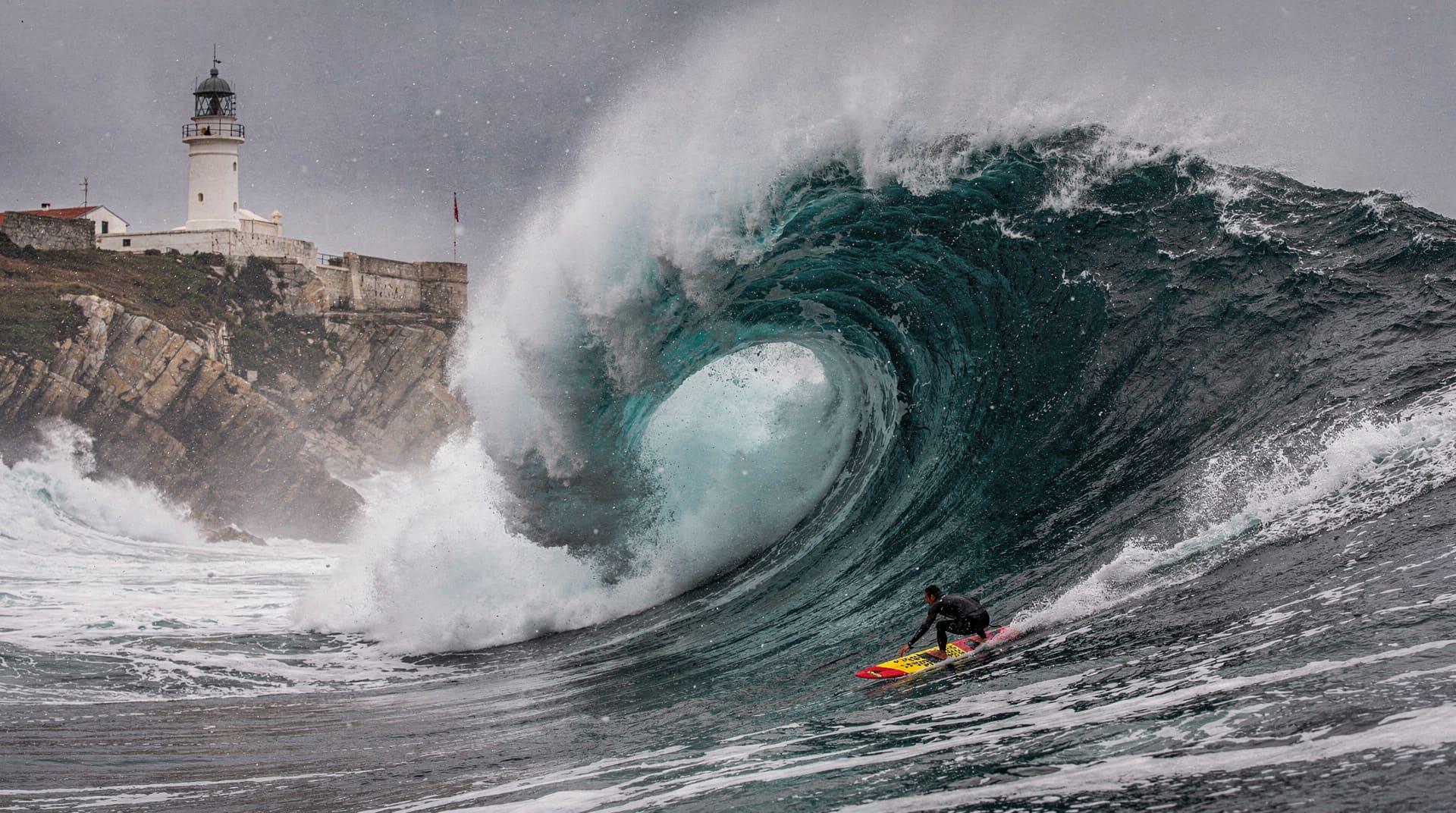
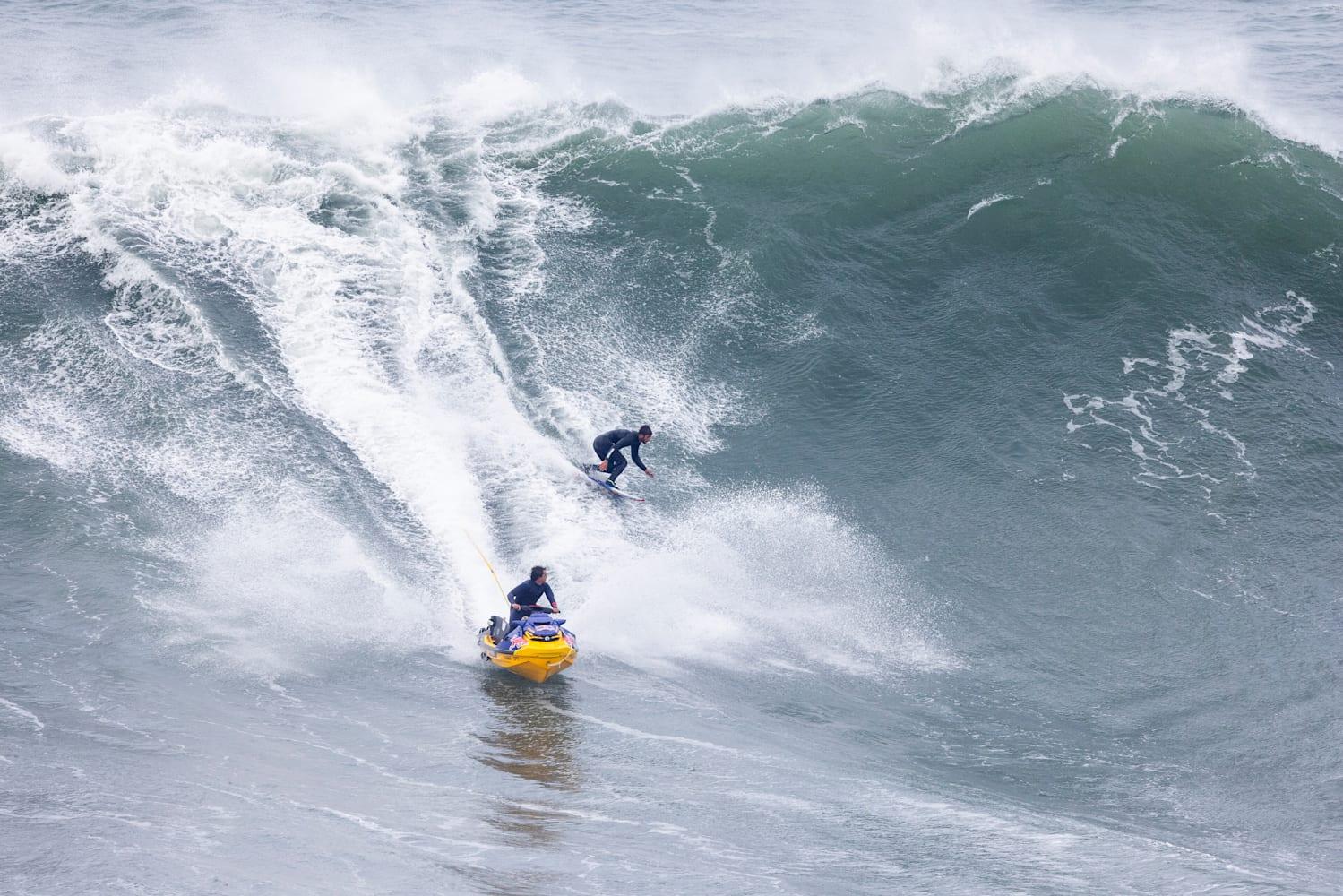
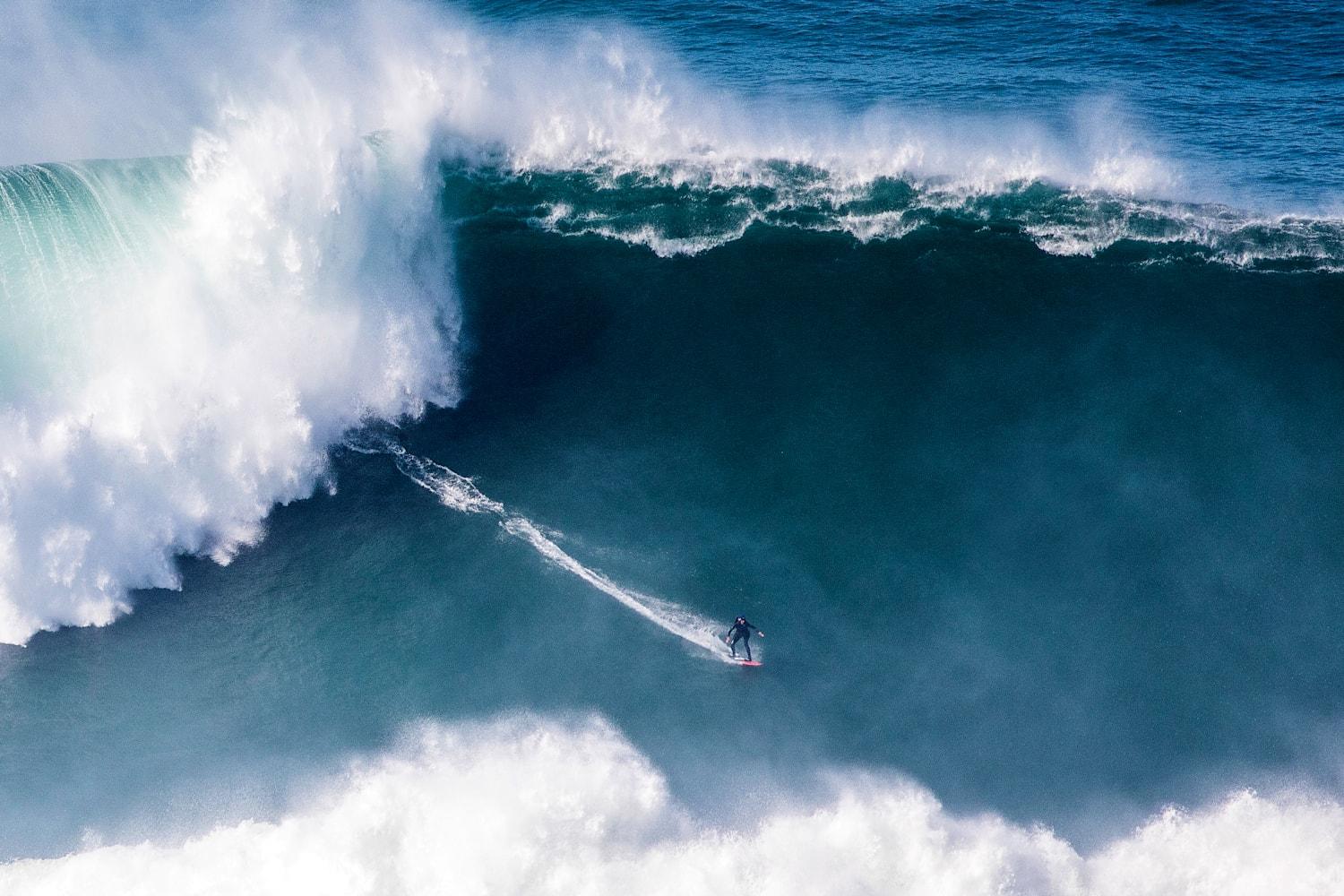
Nazaré: the world's big-wave surfing mecca continues to attract the globe's top surfers.
Nazaré in Portugal is one of the most iconic big-wave surfing destinations in the world. Whenever strong Atlantic swells reach the Portuguese coast, Nazaré becomes the focus of international surf enthusiasts.
The underwater canyon terrain here can amplify the height and power of waves, creating breathtaking big-wave scenery. Professional surfers usually enter the wave zone with the help of jet-ski towing, searching for the best take-off position at high speed, and then face the huge waves alone.
Big-wave surfing tests not only the athlete's courage, but also requires strong swimming ability, wave-reading skills, body control and teamwork in rescue.
In recent years, Nazaré has developed from a traditional seaside town into an important destination for international ocean sports. Events, tourism, photography, equipment and ocean culture together form the local distinctive sports industry.
Dolomites, Italy · Swiss Alps
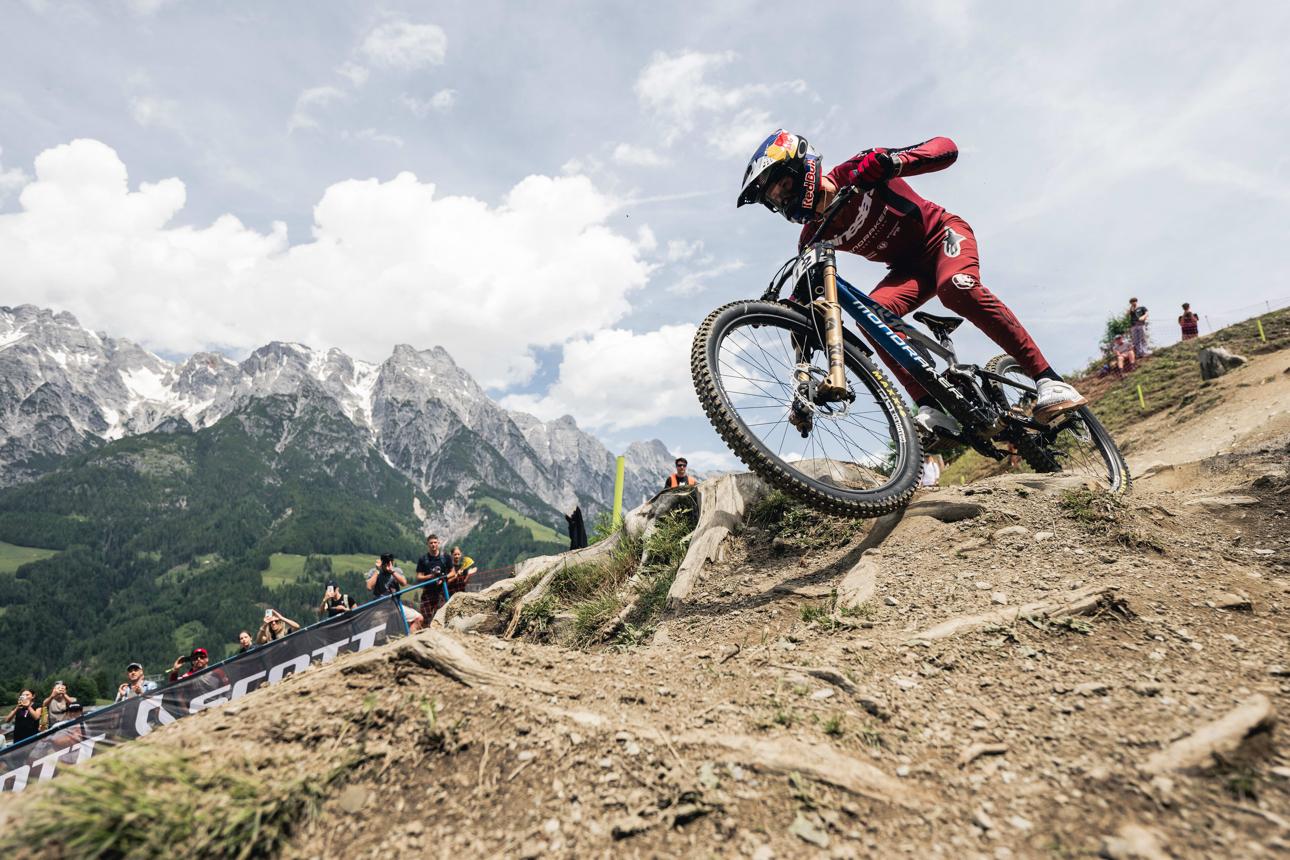
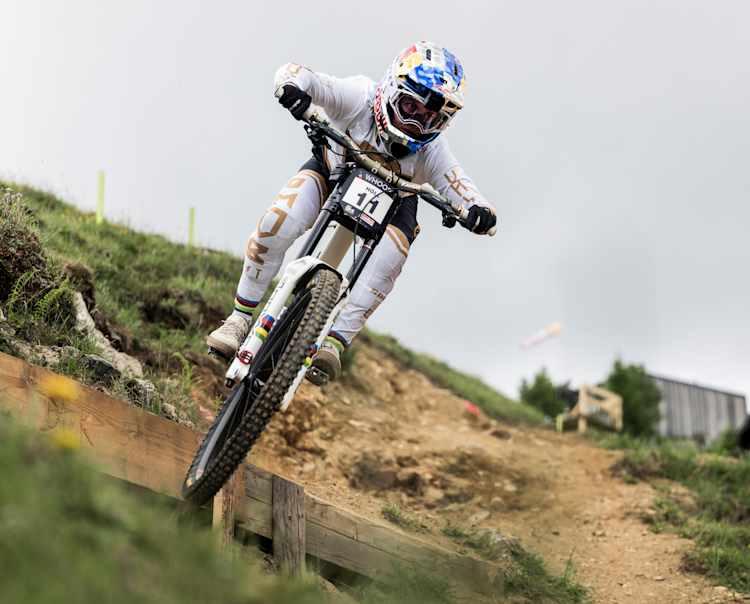
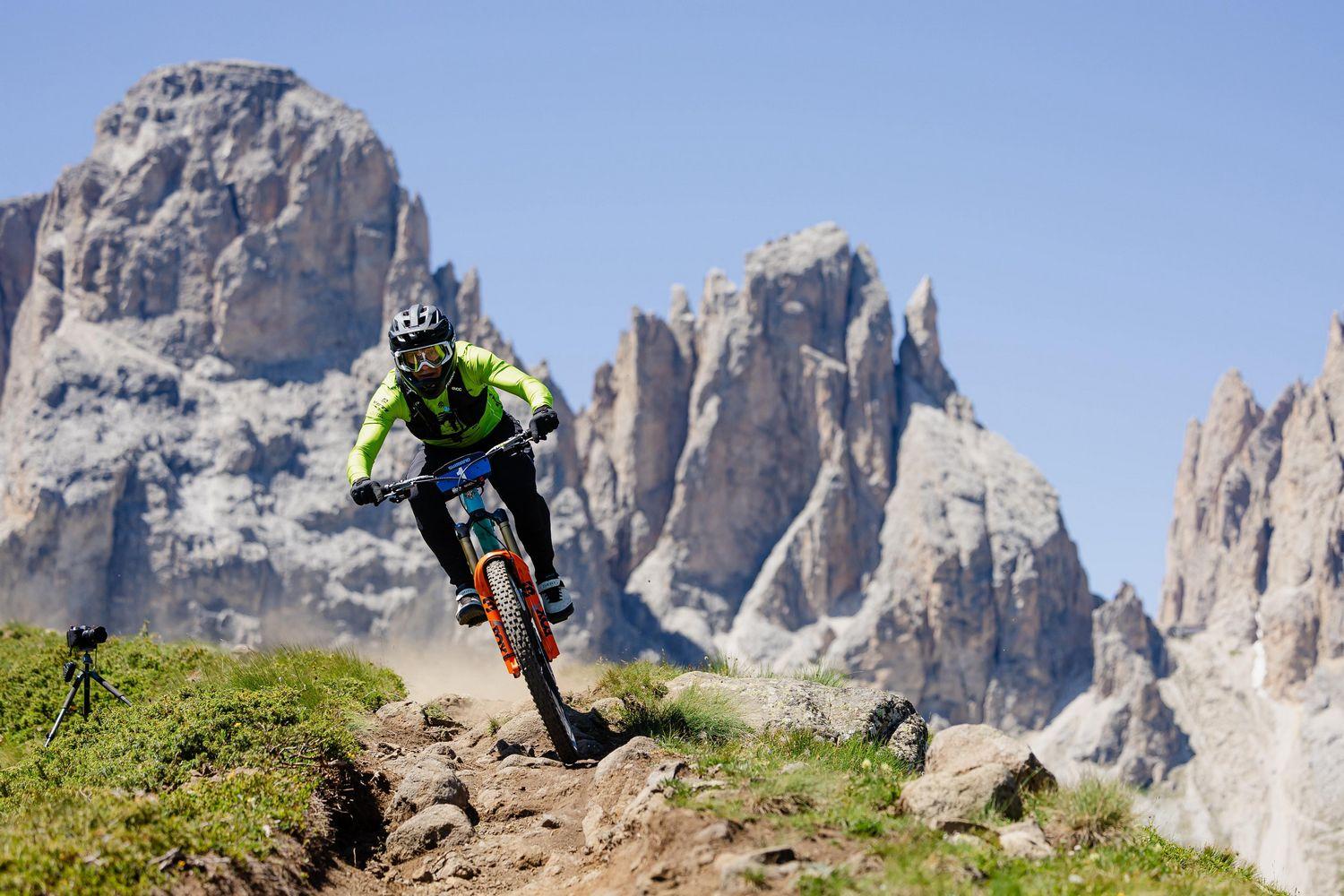
European mountain biking keeps heating up, as the Alps become a dream destination for cyclists worldwide.
Downhill mountain biking is an extreme sport combining speed, technique and body coordination. Athletes ride professional mountain bikes down steep slopes along specially designed routes, dealing with gravel, roots, sharp turns, jumps and complex terrain.
Italy, France, Switzerland and Austria have rich mountain biking resources. In summer, many traditional ski resorts convert part of their facilities into mountain bike parks, offering cable-car transport, professional trails and riding training.
In September 2026, Trentino in Italy hosted the UCI Mountain Bike Marathon World Championships. German rider Andreas Seewald and Swiss rider Anna Weinbeer won the men's and women's titles respectively. The men's elite race route was about 95 kilometres with about 4,000 metres of cumulative climbing, showing the high level of European mountain biking.
Source UCI
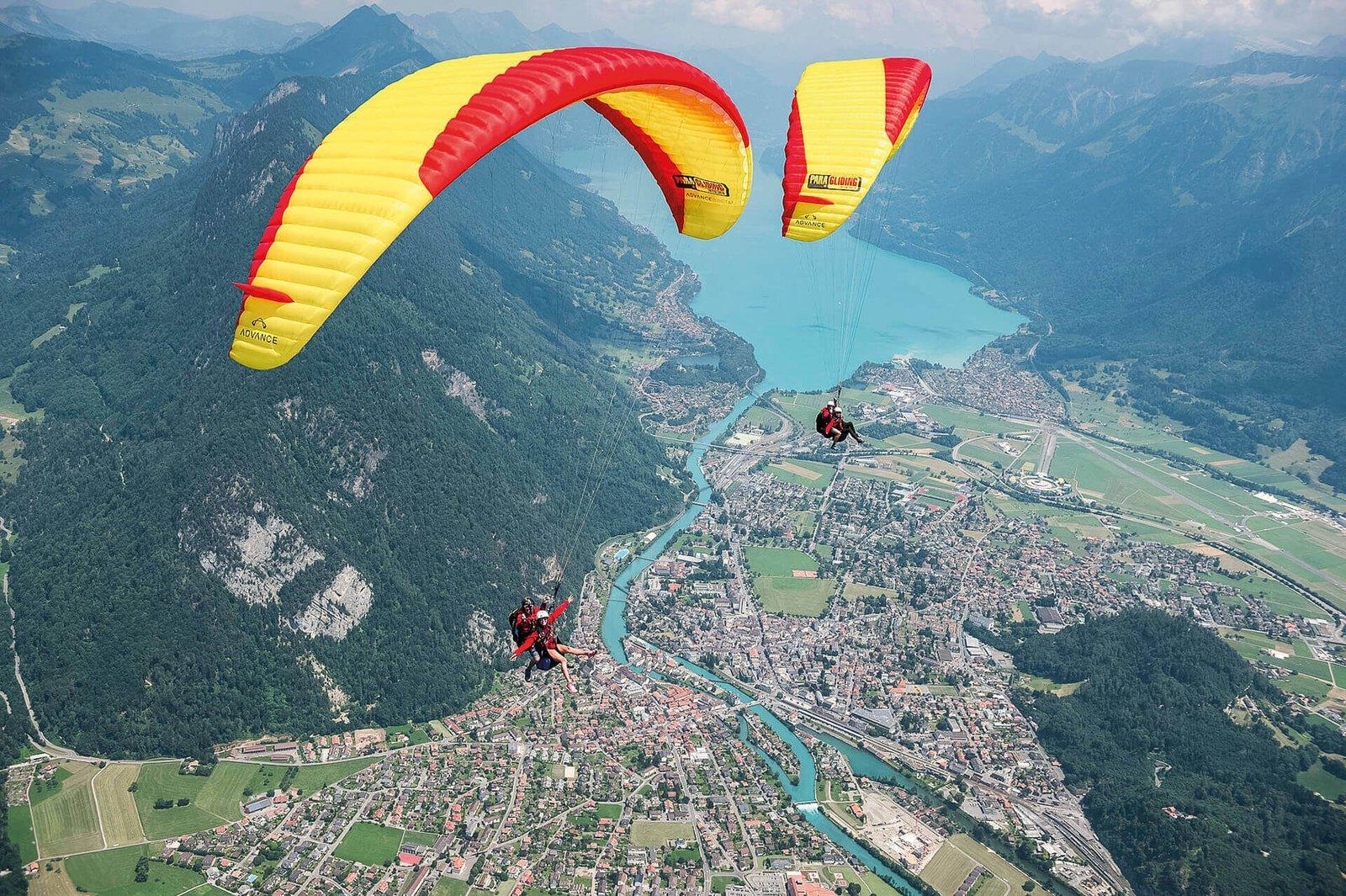
Switzerland · France · Austria · High-Altitude Adventure
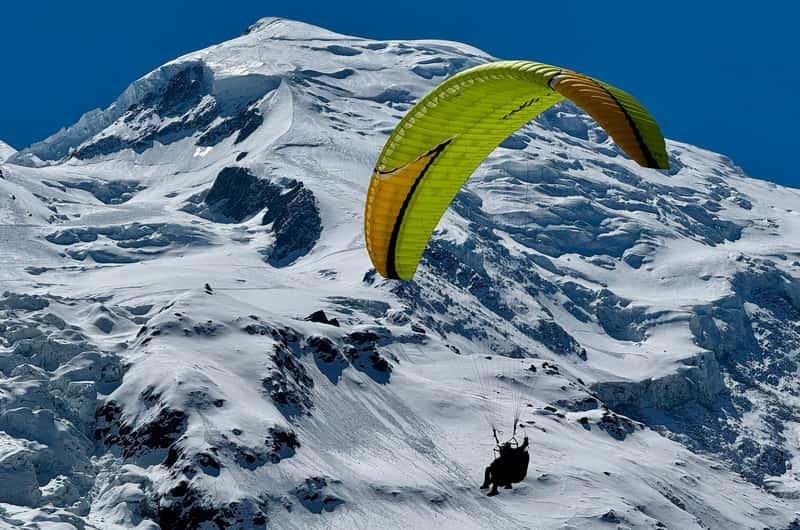
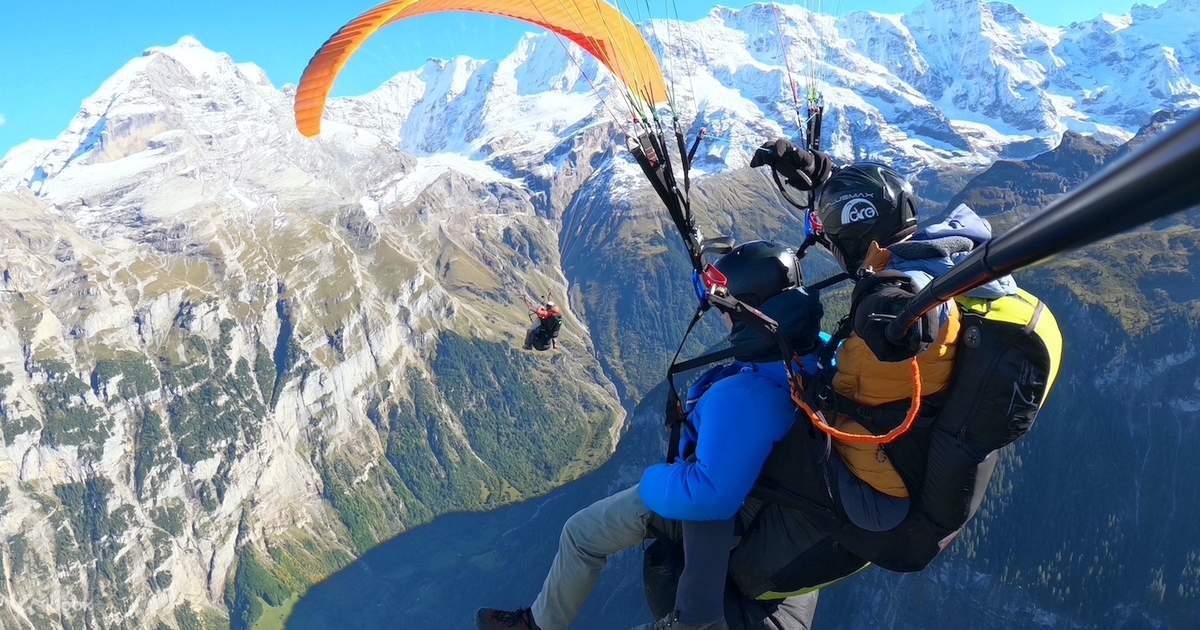
Flying over the Alps: paragliding lets ordinary people experience the freedom of the sky.
Paragliding is a sport that combines aviation technology with outdoor adventure. Athletes use special wings and aerodynamic principles to take off from hillsides under suitable weather conditions, completing flight through rising air currents and directional control.
Interlaken in Switzerland, Chamonix in France and the Tyrol region in Austria are all famous paragliding areas in Europe.
Unlike traditional aviation sports, paragliding has a relatively lightweight equipment system, and professional instructors can let beginners experience aerial sightseeing under the company of professionals through tandem flights.
The European paragliding industry is also gradually integrating with tourism. Visitors can book experience programs to enjoy panoramic views of valleys, lakes, forests and snow mountains.
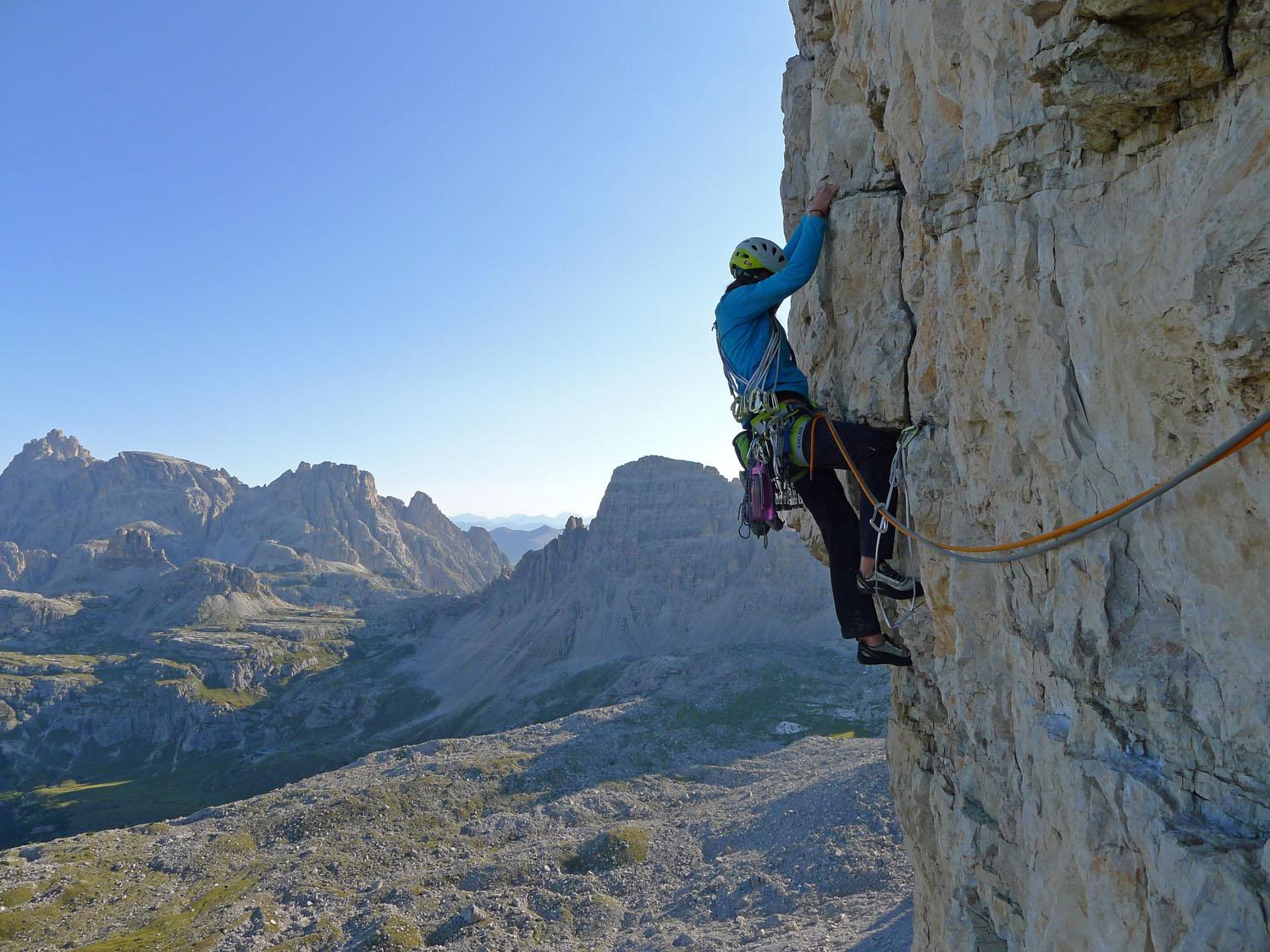
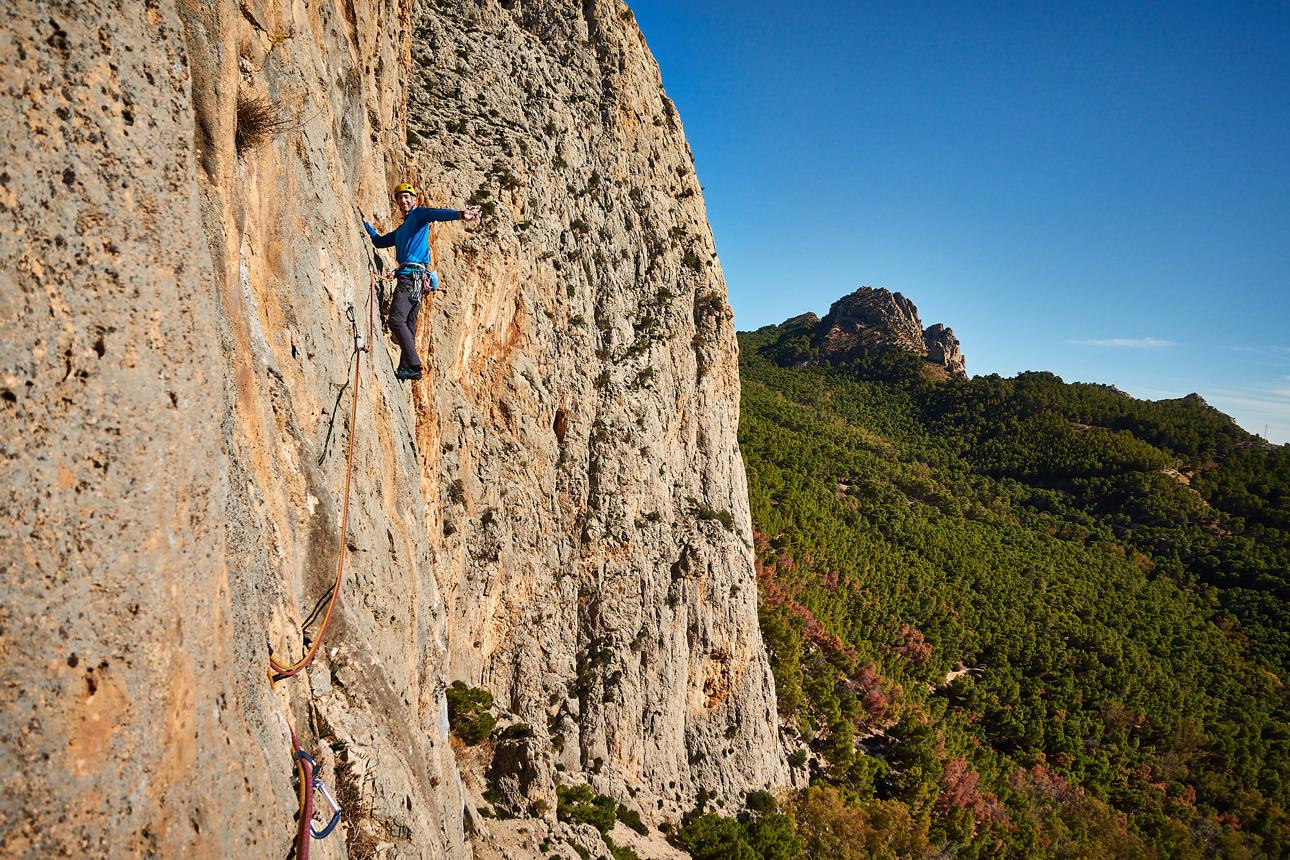
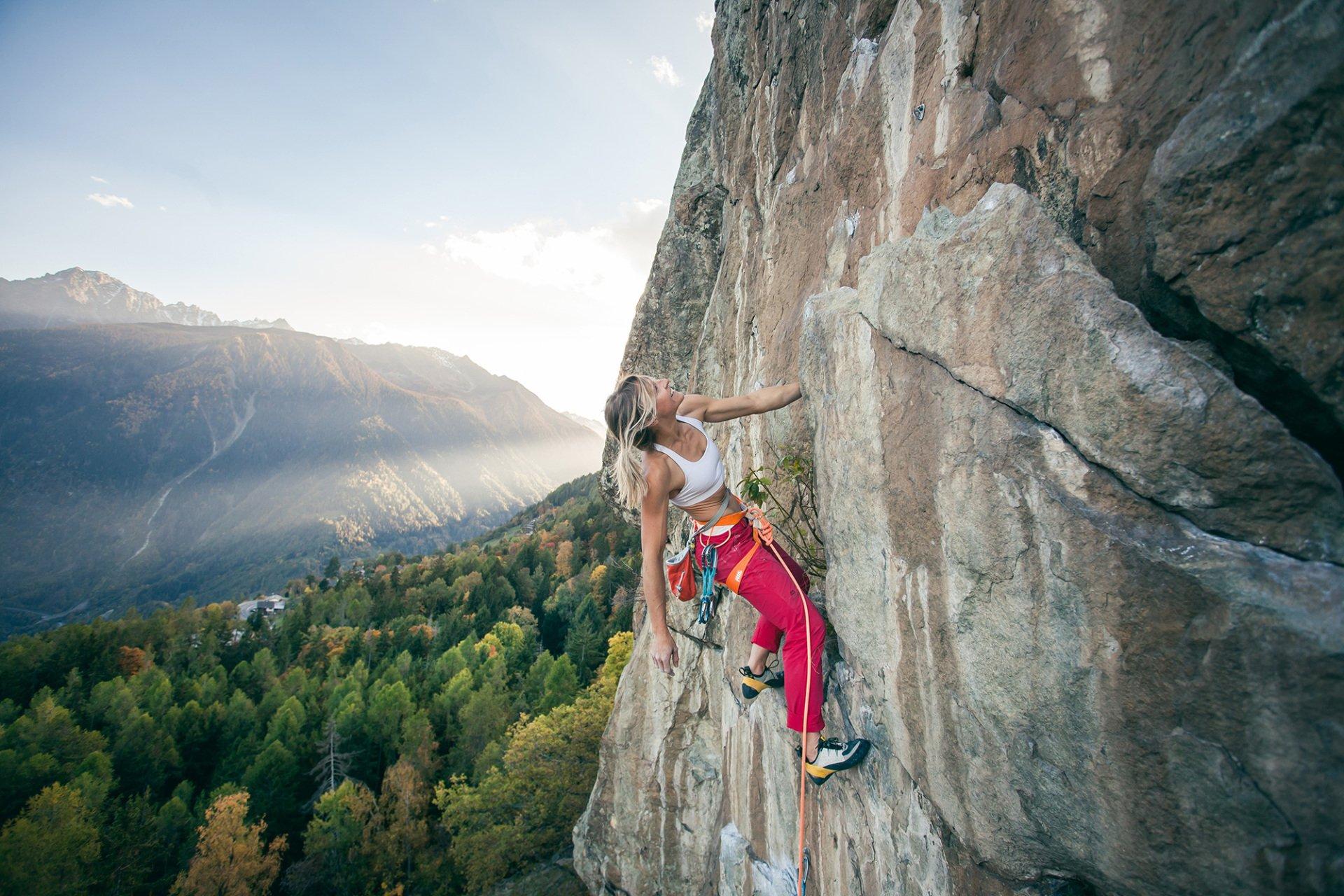
Spain · France · Italy · Outdoor Climbing
Spain, France and Italy become important stages for climbing.
Climbing is a sport that tests strength, endurance, balance and mental quality. Athletes climb upward using natural holds and artificial holds on rock walls, looking for the most effective combination of movements on complex routes.
Europe has a large number of world-class natural climbing sites. For example, the Dolomites in Italy, El Chorro in Spain and the Verdon Gorge in France all attract climbers from around the world.
In March 2026, the Spanish Mountain and Climbing Federation announced the plan for the 2026 Madrid World Climbing Series, scheduled from May 28 to 31 and expected to attract about 300 top athletes. This reflects Spain's positive trend of continuously expanding the influence of international climbing events.
Today, climbing is not only a professional competitive sport, but has also gradually entered urban life. Indoor climbing gyms, youth training, outdoor travel and professional equipment together promote the development of this sport.
Source FEDME
Dolomites, Italy · Winter Extreme Sports
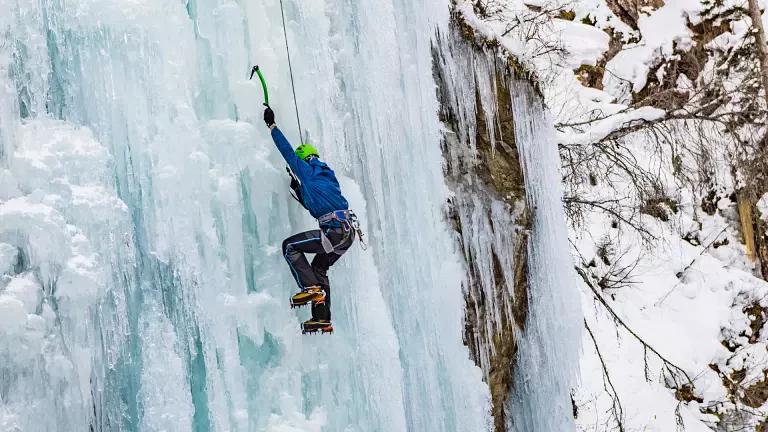
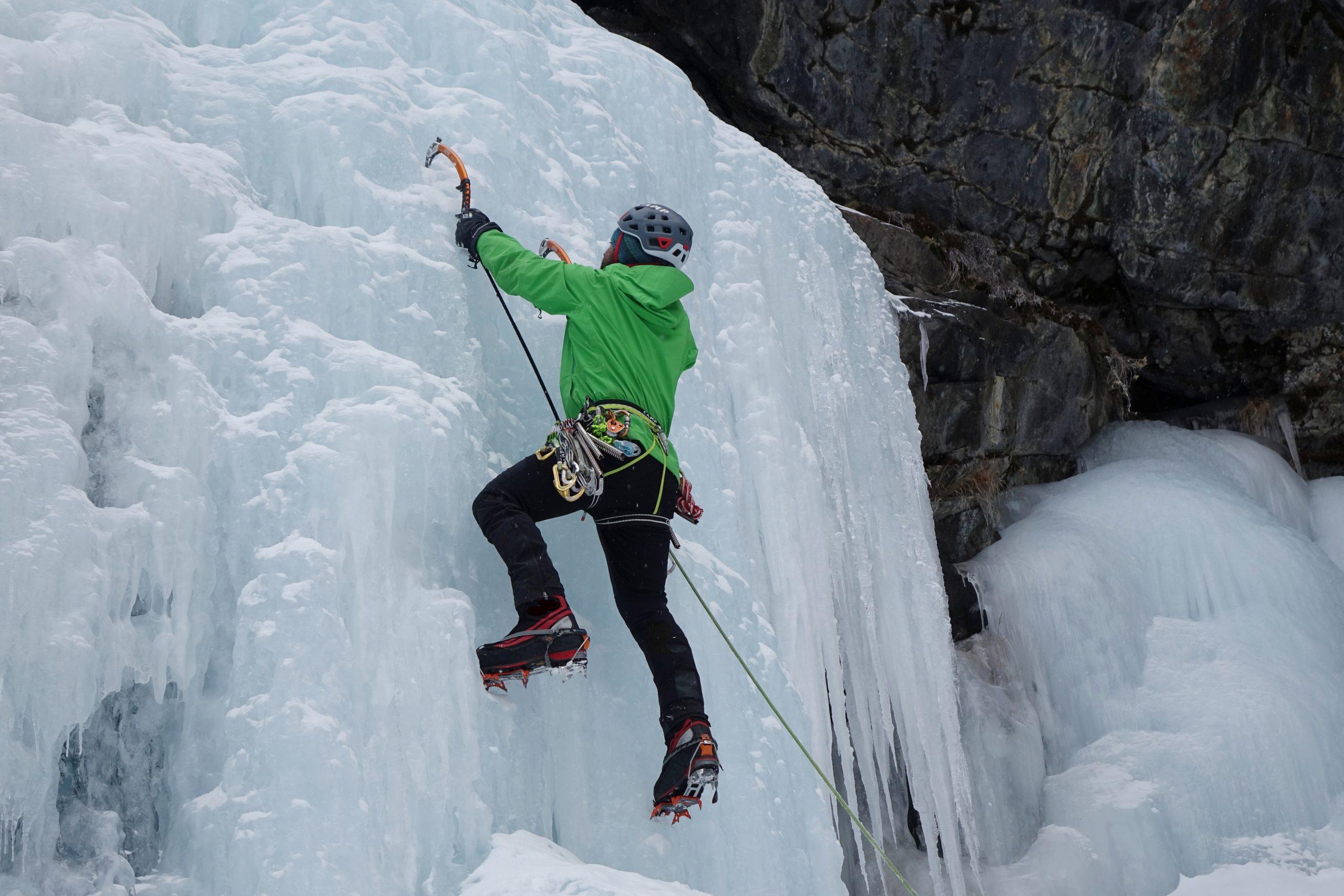
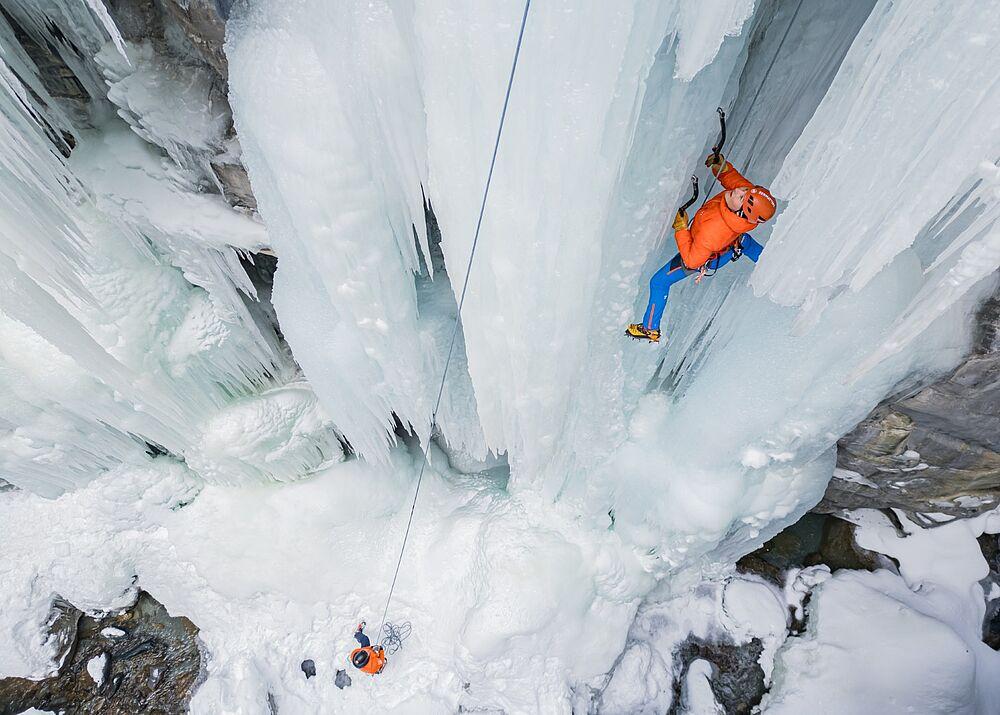
Challenging the vertical world of ice and snow: European ice climbing shows the charm of winter outdoors.
Ice climbing is one of the most challenging winter extreme sports. Athletes use ice axes, crampons, safety ropes and professional protective equipment to climb up icefalls, ice walls and mixed ice-and-snow terrain.
The Dolomites in Italy, Tyrol in Austria and the French Alps have rich winter ice climbing resources.
Ice climbing requires athletes to accurately judge the ice structure and reasonably control the angle of the ice-axe strike, while maintaining body balance. Every movement requires a combination of strength and technique.
European winter ice climbing has also gradually developed a more complete training system. Beginners can learn equipment use, basic movements and safety protection under the guidance of professional instructors.
Verbier · Chamonix · Austrian Mountains
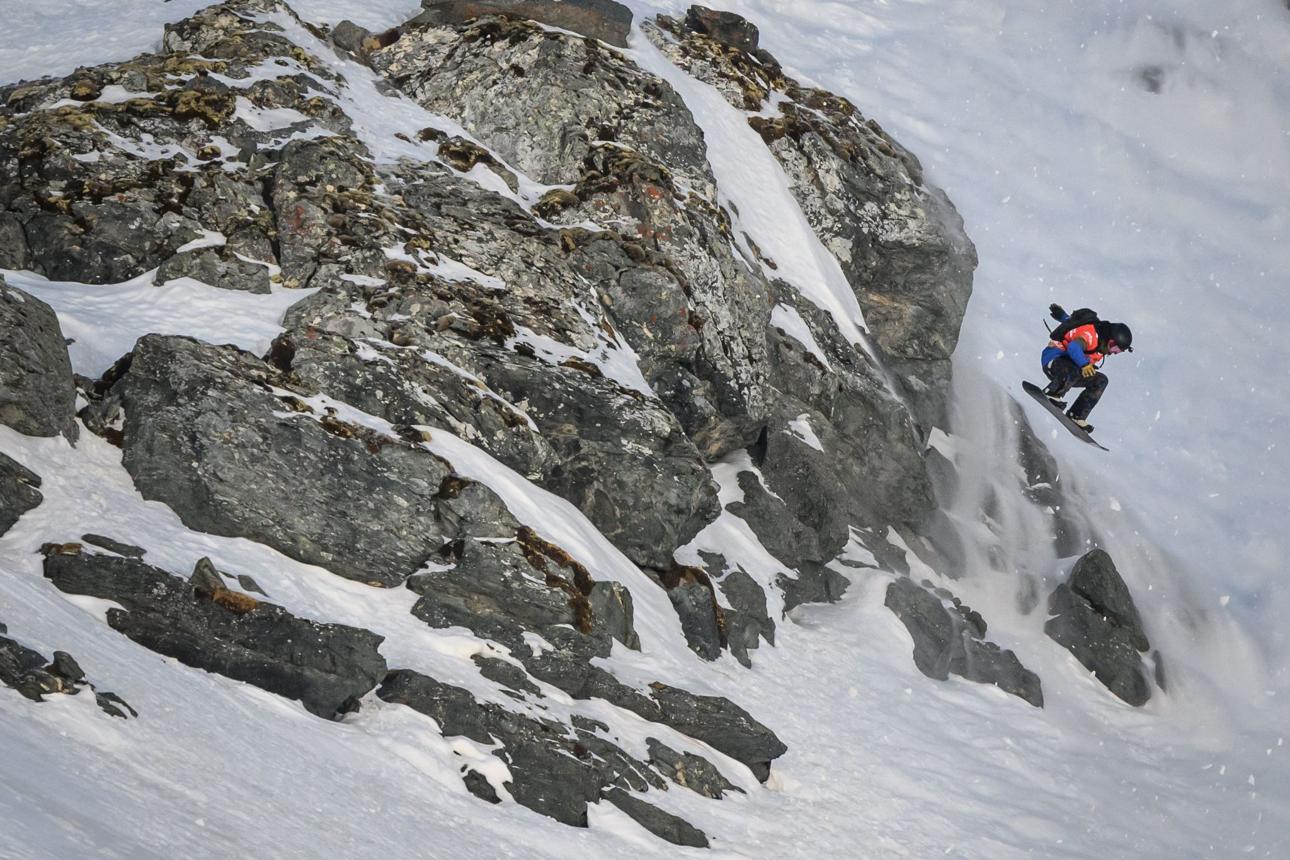
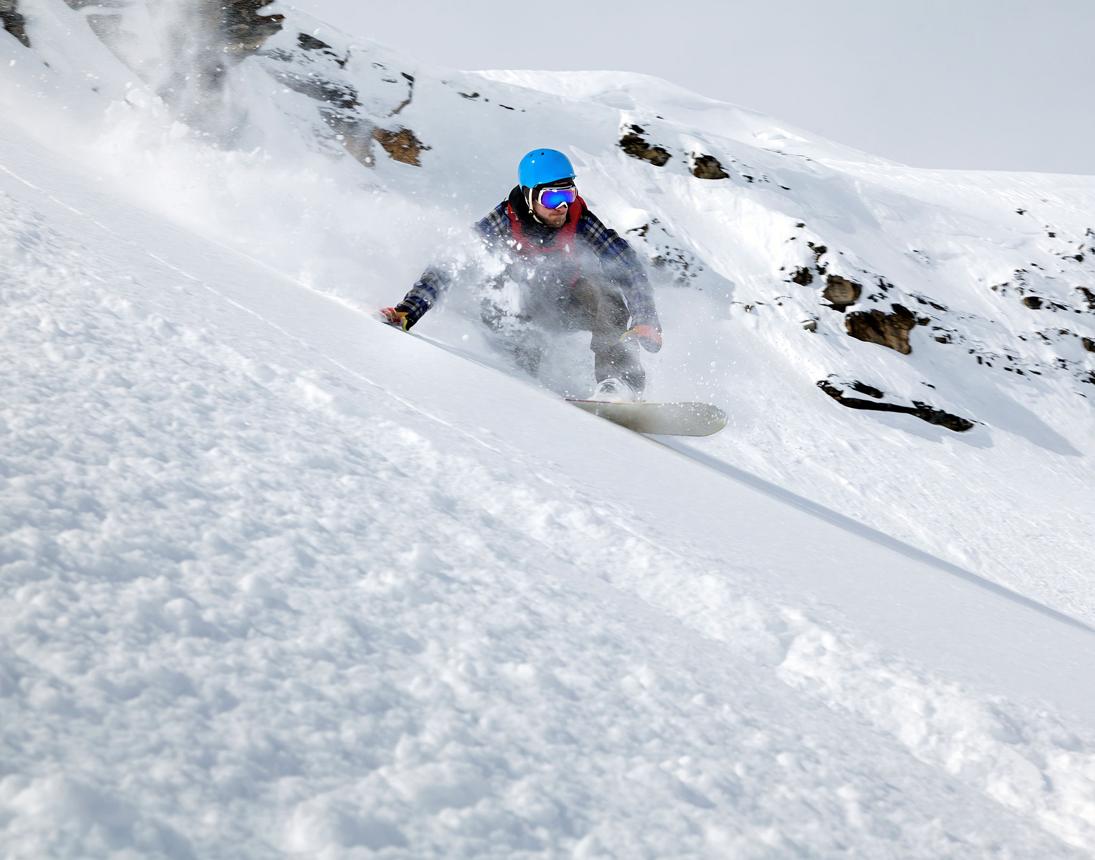
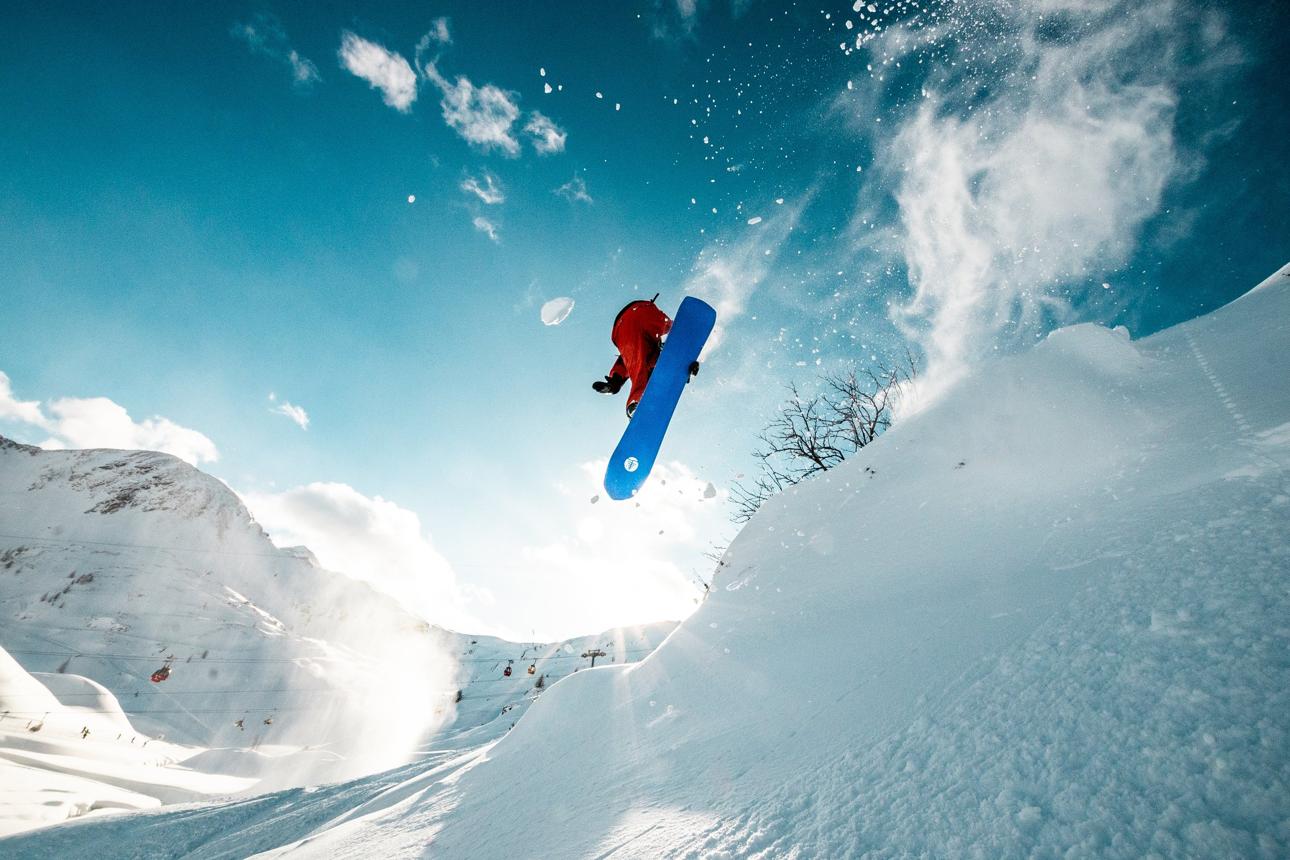
Alpine powder season: freeride snowboarding becomes a signature of European winter adventure.
Freeride snowboarding is a winter extreme sport full of speed and creativity. Athletes leave the traditional ski slopes and complete turns, jumps and terrain riding on assessed natural snow slopes.
Verbier in Switzerland, Chamonix in France and Tyrol in Austria are all familiar destinations for international ski enthusiasts.
Unlike traditional skiing, freeride places more emphasis on the athlete's understanding of natural terrain. Snow depth, slope, weather and mountain structure all affect the riding route, so professional athletes usually need training in avalanche risk, snow-condition assessment and mountain rescue.
European freeride events attract many international athletes, and also promote the development of snowboards, snow wear, helmets and safety equipment industries.
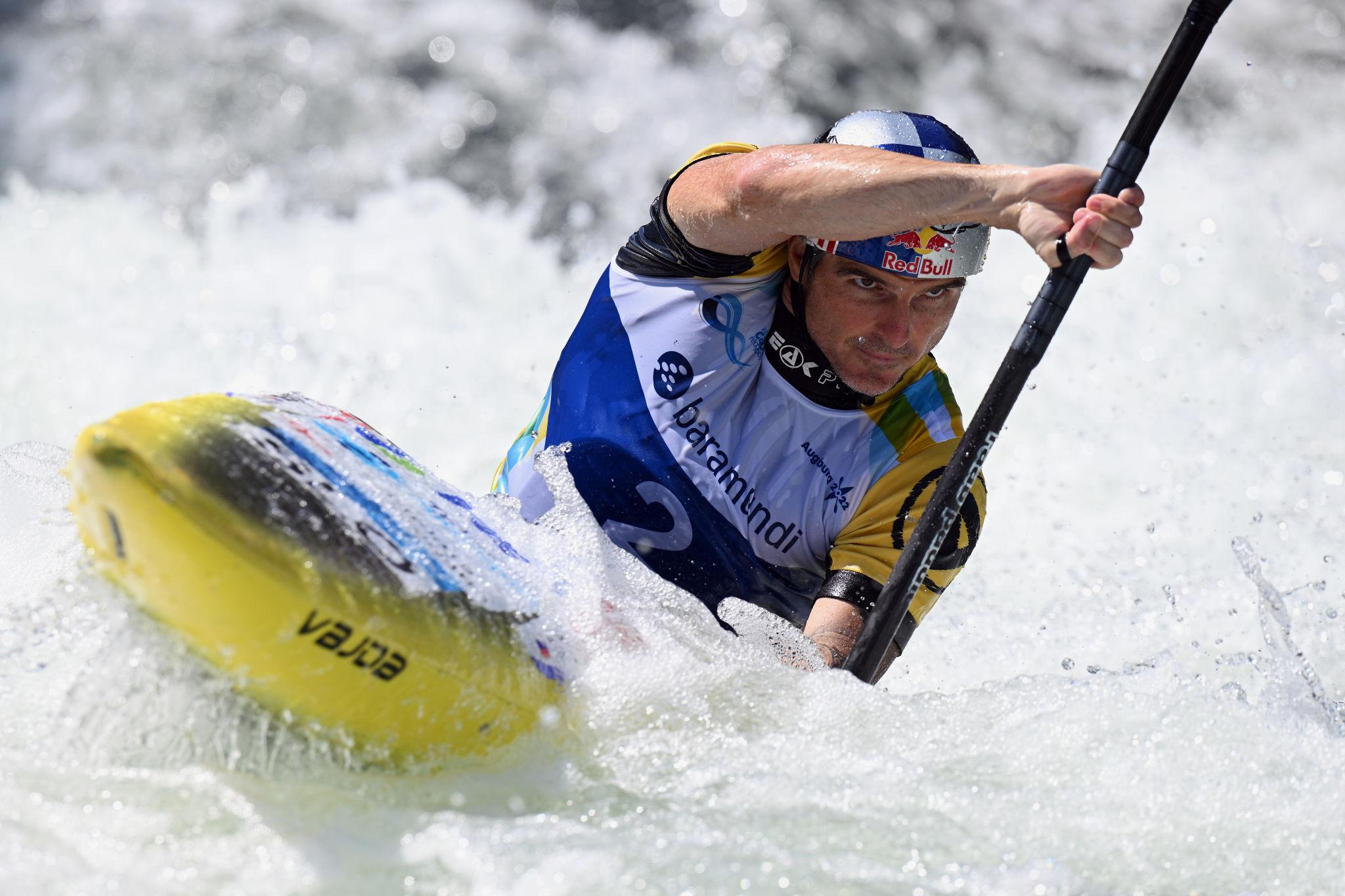
France · Slovenia · Austria
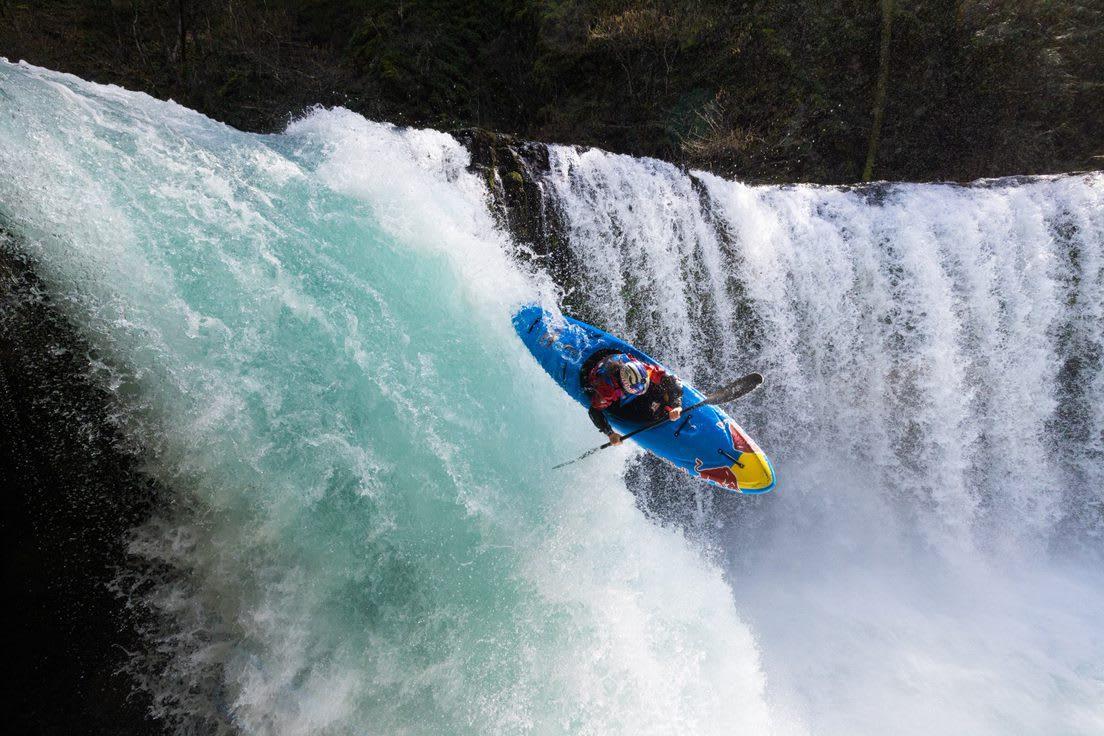
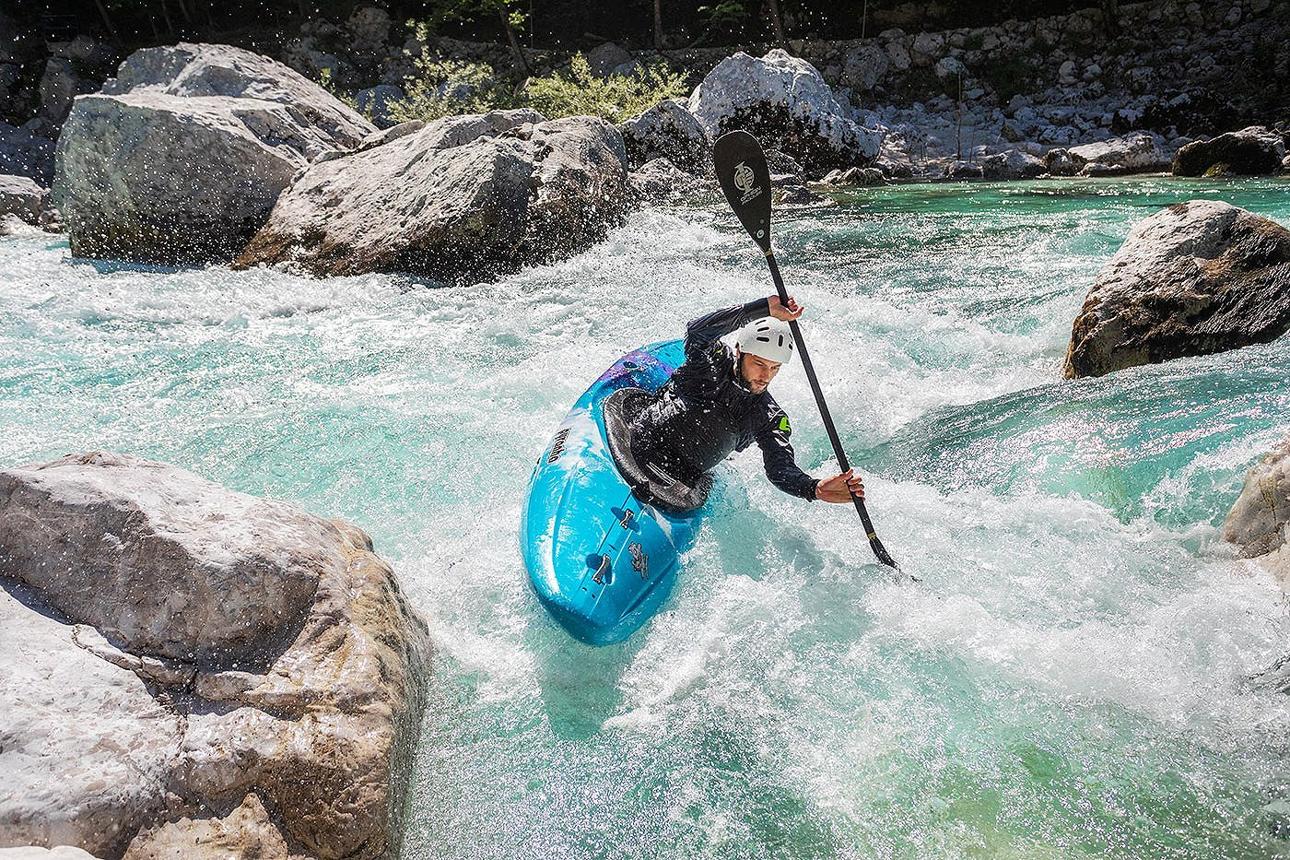
From French mountain rivers to Slovenia's Soča River, whitewater kayaking shows the passion of water sports.
Whitewater kayaking is a sport that combines water-reading, body coordination and quick reactions. Athletes ride professional kayaks through rapids, whirlpools and drops in turbulent rivers, completing complex routes.
French athlete Nouria Newman is a highly regarded figure in the field of international whitewater kayaking. Her career shows the charm of this sport expanding from traditional competition to wilderness adventure.
Slovenia's Soča River is famous for its clear water and rich river terrain, and is a well-known whitewater destination in Europe. France and Austria also have mature river sports cultures.
This sport can not only attract professional athletes, but also allow more outdoor enthusiasts to participate through graded training and professional guidance.
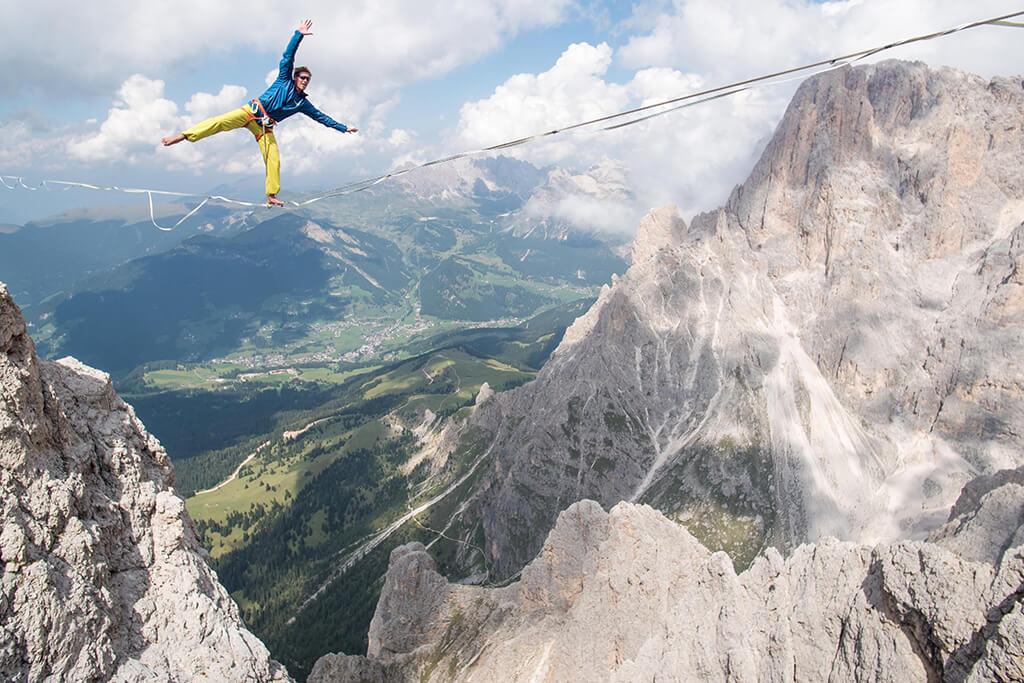
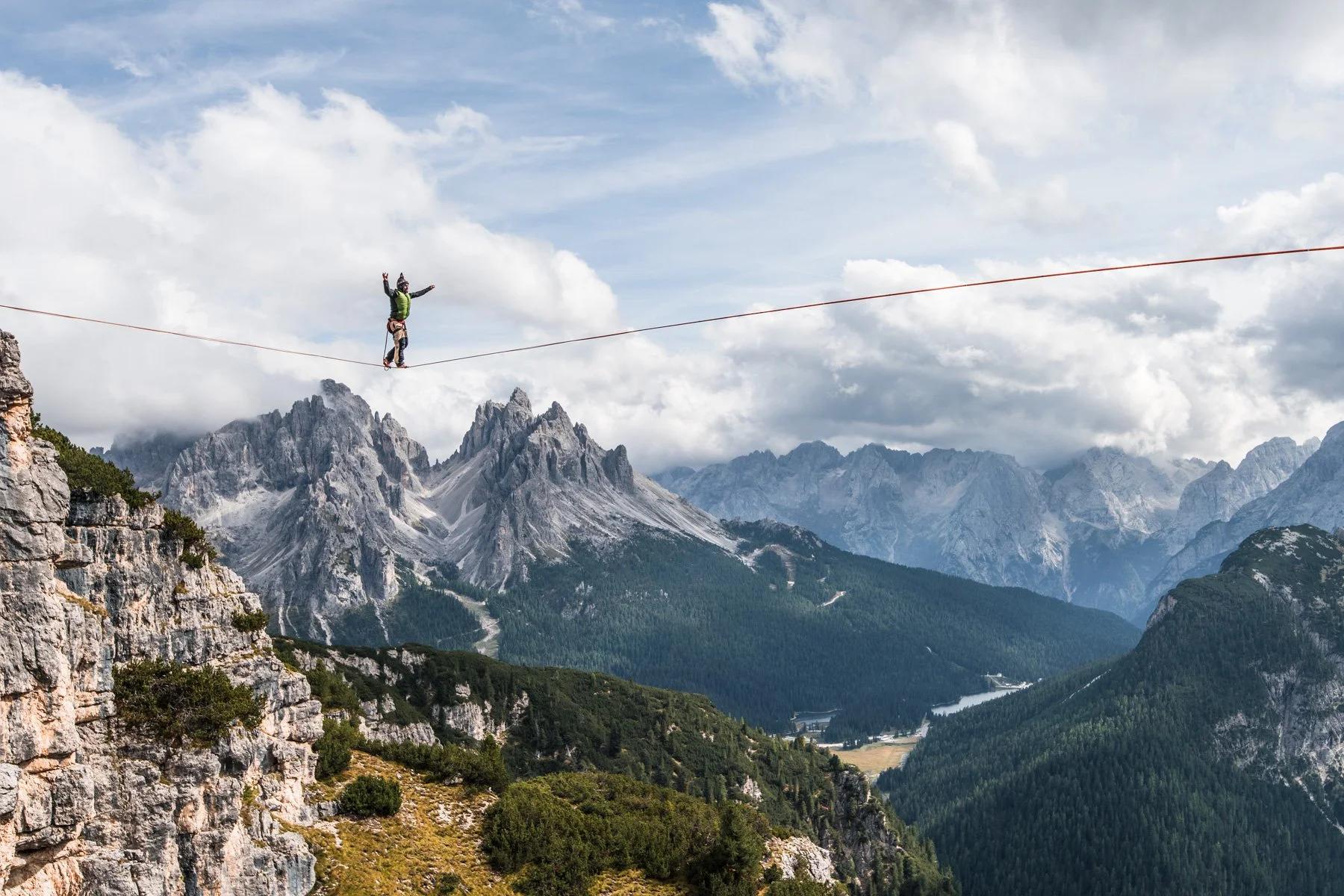
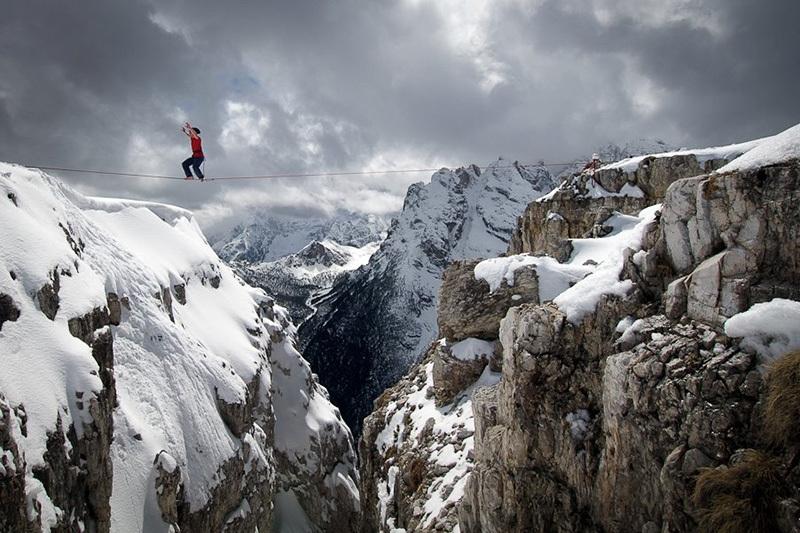
Dolomites, Italy · High-Altitude Balance Sport
Walking above the clouds: European highliners challenge the limits of body balance.
Highlining is a sport that combines balance, mental control and body coordination. Athletes set up a special slackline between two anchor points and, with the help of a safety protection system, complete walking, turning and even jumping movements.
The Dolomites in Italy have unique peaks and rock-wall terrain, and are an area watched by international highlining enthusiasts.
Estonian athlete Jaan Roose is a well-known representative in this field. In 2026, he completed a highline performance in Seoul, South Korea, once again bringing European high-altitude sports culture to the international public eye.
Highlining looks simple, but actually requires long-term training. Athletes need to overcome wind, body sway and the psychological pressure brought by height.
Source The Guardian
Corsica, France · Italian Mountains · Swiss Canyons
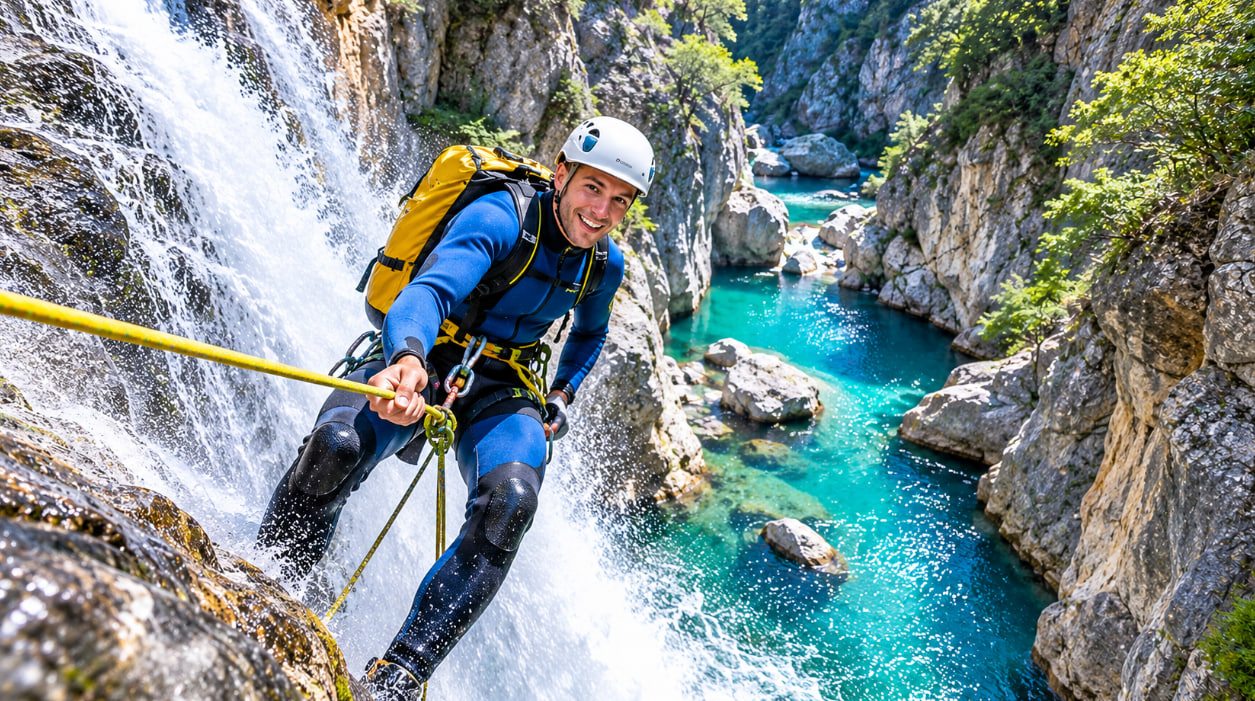
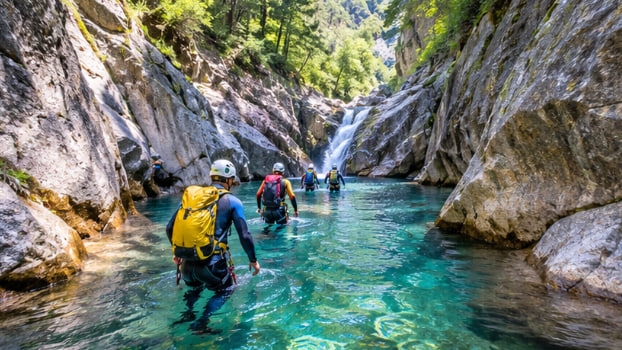
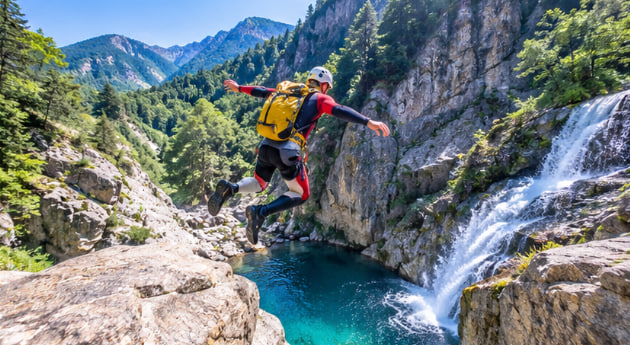
Through natural waterfalls and rock canyons: European canyoning becomes a new highlight of outdoor tourism.
Canyoning is a comprehensive outdoor extreme sport. Under the guidance of professional equipment and guides, participants traverse canyons formed by long-term river erosion through climbing, rappelling, wading, natural slides and appropriate water movement.
Corsica in France has very distinctive canyon terrain and attracts a large number of adventure enthusiasts. The mountains of Switzerland and Italy also have rich canyon resources.
The greatest charm of this sport is that every adventure is like entering a natural outdoor playground. Rocks, waterfalls, clear pools and narrow canyons form a unique natural landscape.
With the development of European outdoor tourism, canyoning has gradually formed different products ranging from beginner experiences to advanced routes.
Street · Park · Ocean
Skateboards crack against Barcelona concrete and BMX bikes spin upside down above the coping. A kite snaps taut as its rider launches off the lip of an Atlantic wave. Windsurfers duel the gusts off Tarifa and the Greek islands, while trail runners and skyrunners carve the high ridgelines above Innsbruck. Five disciplines, one current: the raw, fast, fearless energy of a new generation.
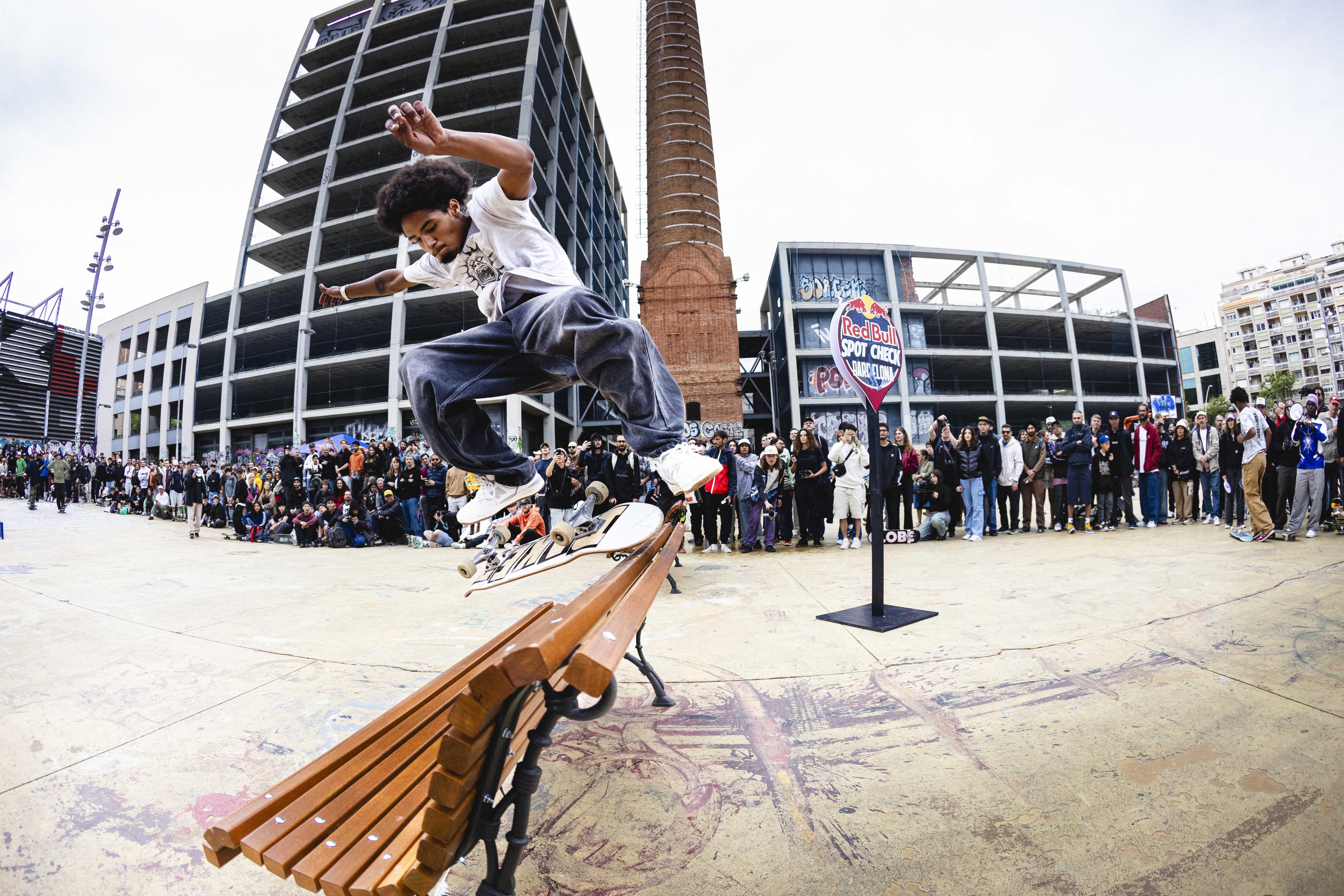
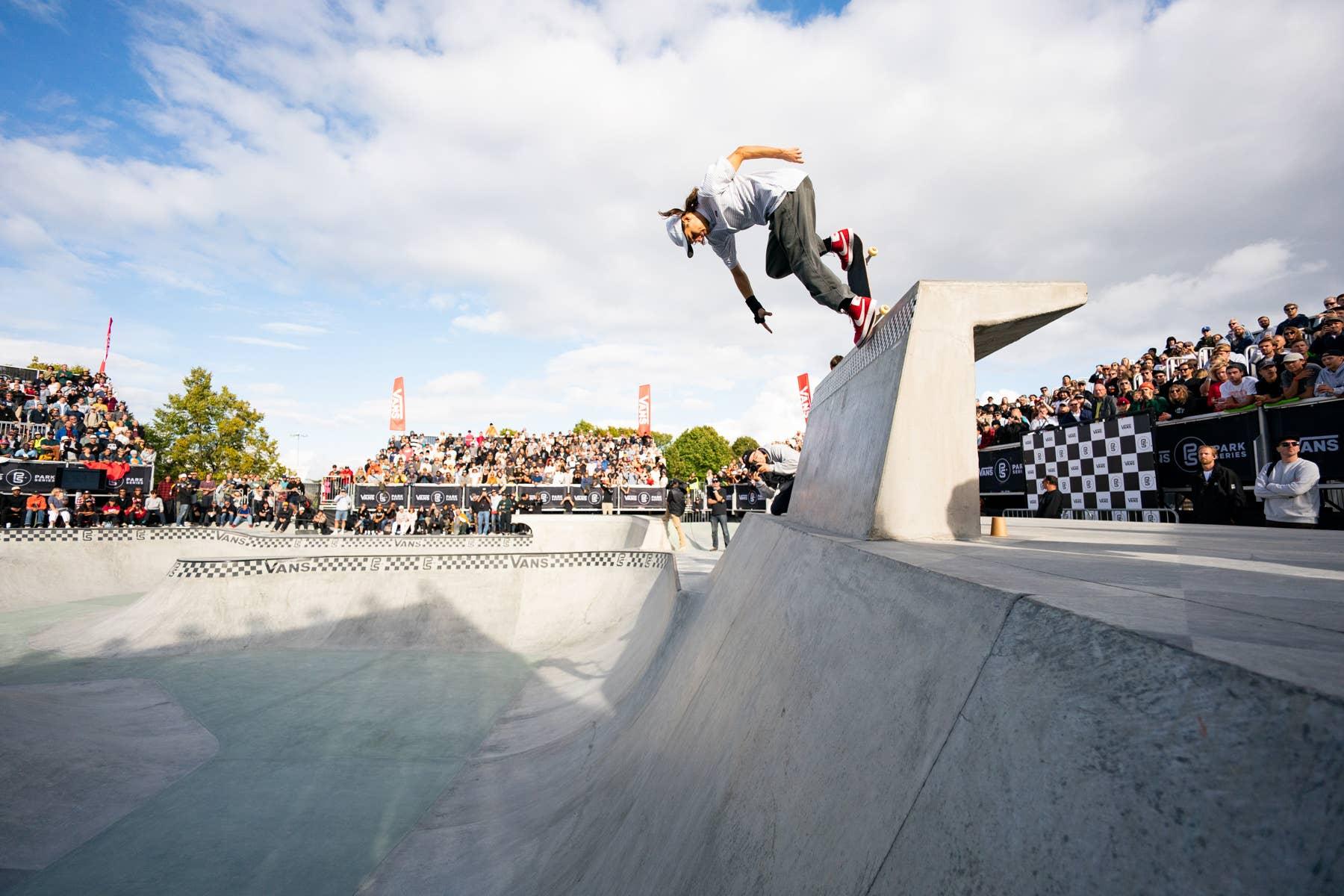
Barcelona, Spain · Global Street Culture
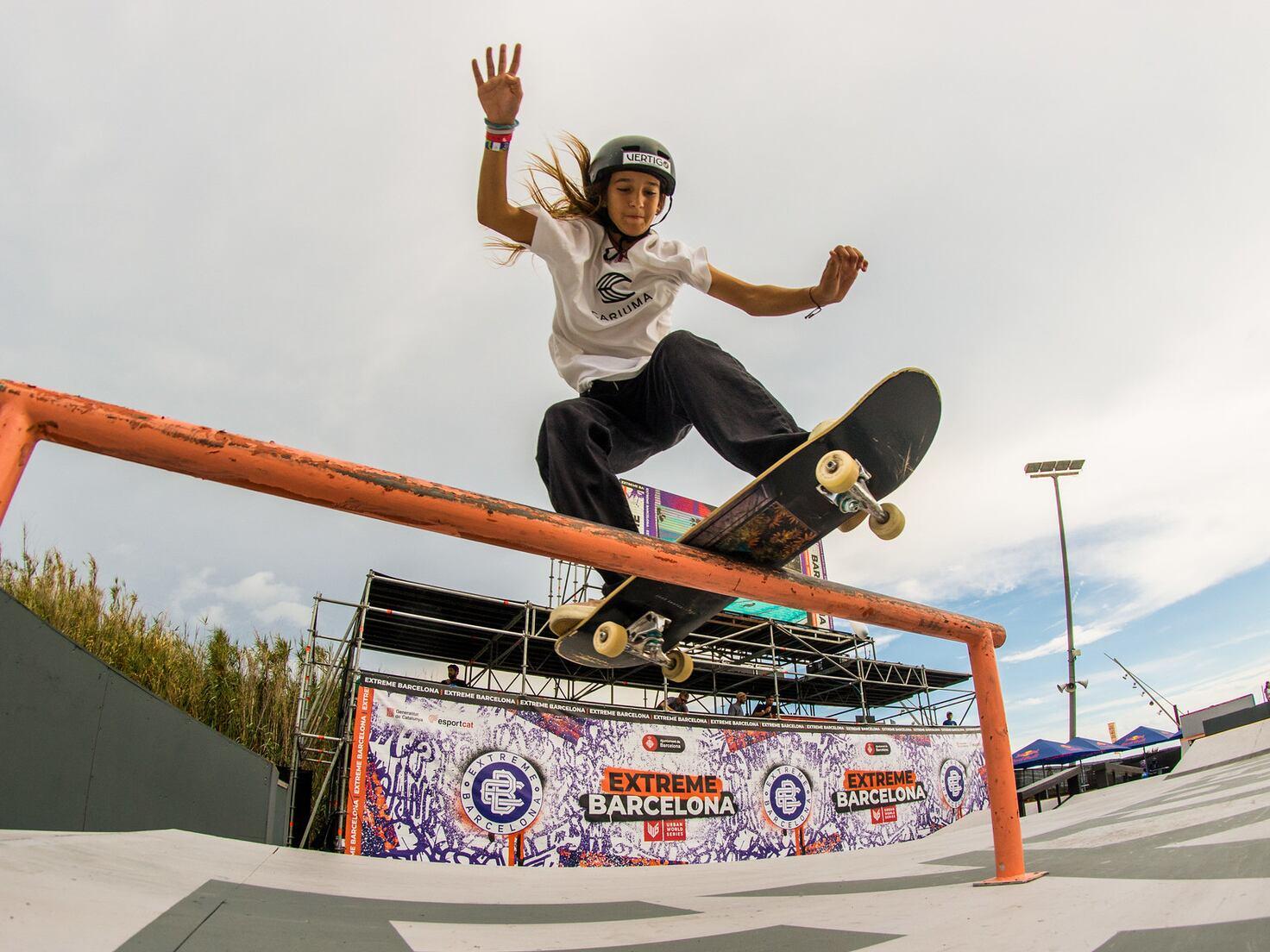
Barcelona becomes an important stage for international skate culture, as the vitality of urban youth sports continues to be released.
Skateboarding has developed from street youth culture into an international competitive sport. Athletes use skateboards to complete jumps, flips, grinds and complex tricks in urban-style venues.
Barcelona in Spain is one of the most influential skate cities in Europe. It has open public spaces, professional skate parks and an active youth culture.
In September 2026, Extreme Barcelona welcomed its 18th edition, attracting more than 1,000 athletes from around the world, covering skateboarding, BMX and other urban sports. The event also arranged youth categories and different types of urban sports competitions.
The skate industry also has broad development space, including skate shoes, clothing, decks, protective gear, video content and professional events.
Dates September 15 to 17
United Kingdom · Spain · France
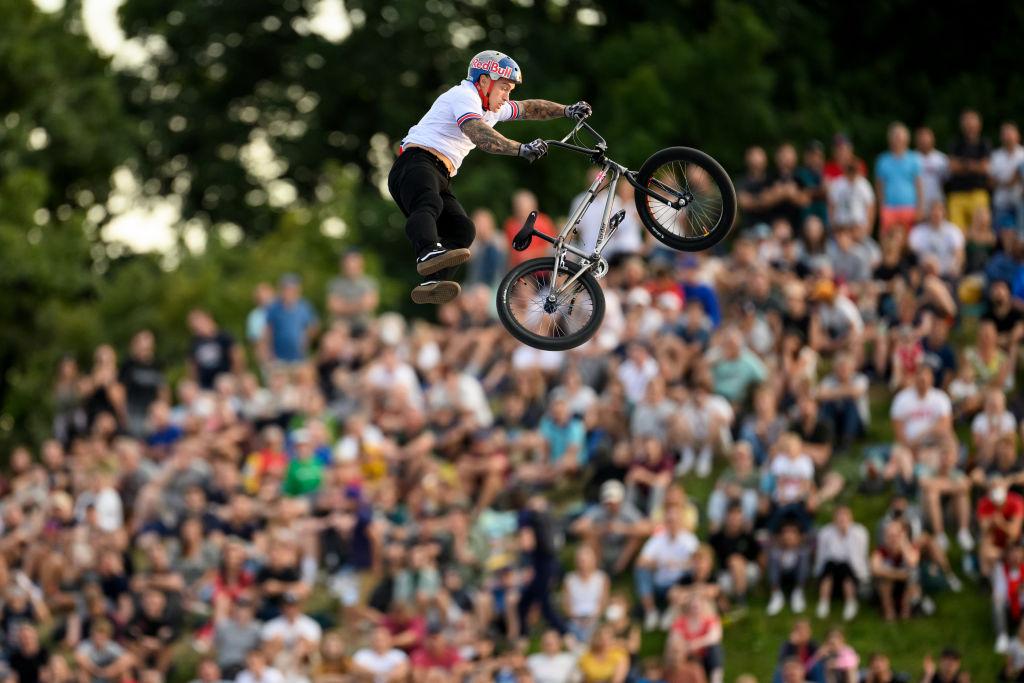
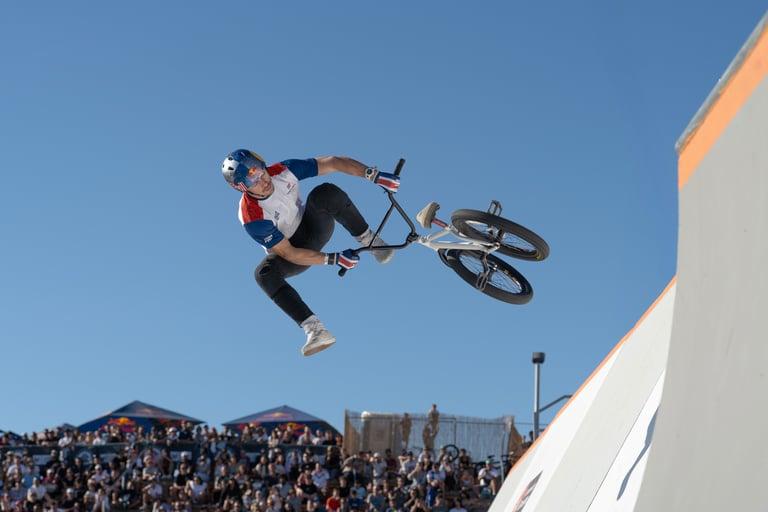
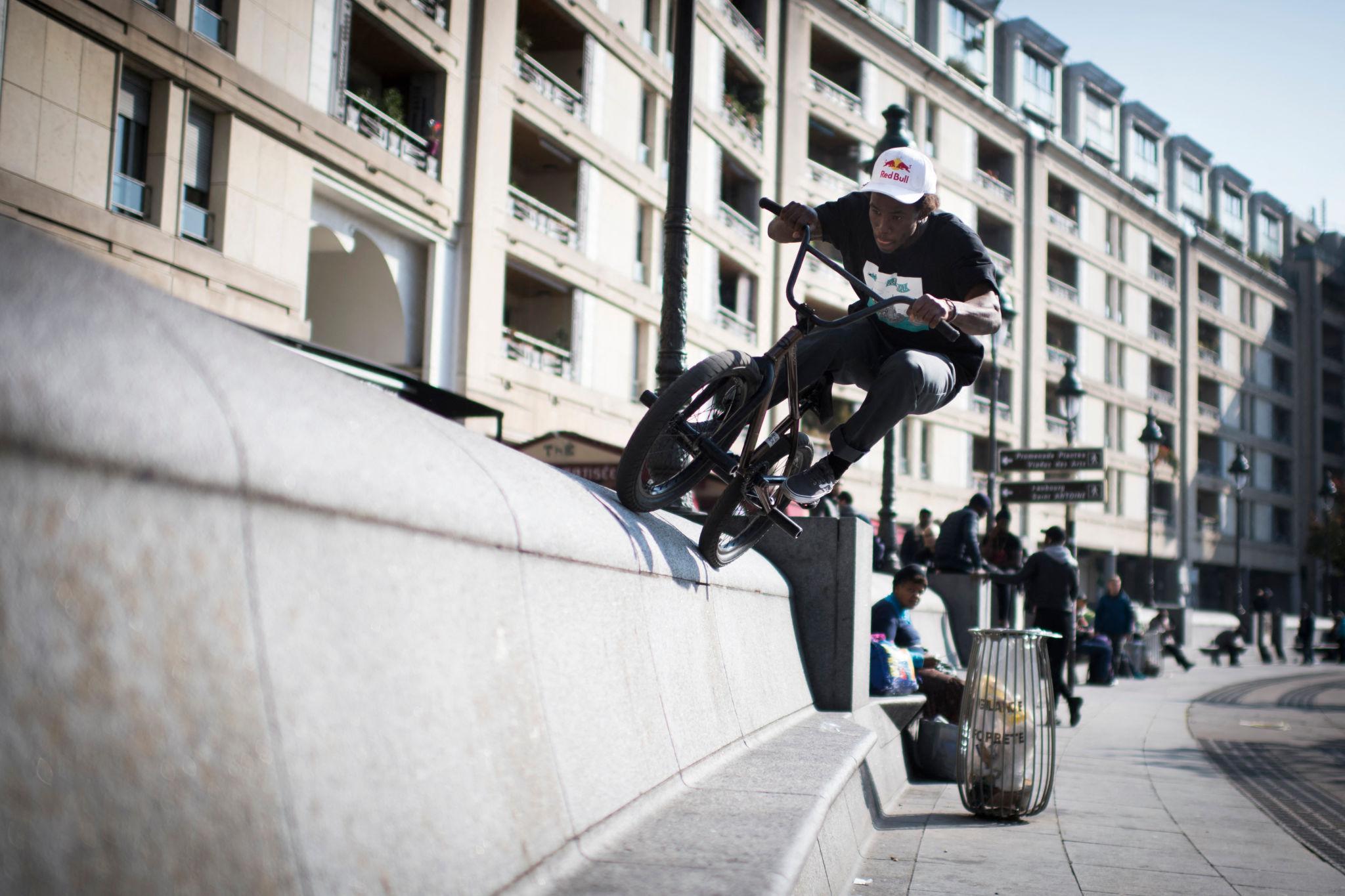
Aerial flips and high-difficulty tricks: European BMX freestyle continues to thrive.
BMX freestyle is an extreme sport centred on skill and creativity. Athletes ride specially structured BMX bikes to complete aerial rotations, body flips, jump tricks and obstacle techniques in professional venues.
The UK and France have relatively mature BMX cultures, and Spain is also continuously expanding its influence through international events.
At Extreme Barcelona 2026, BMX became one of the important competitive events, attracting athletes from many countries. The event provides an international platform for young athletes to showcase their skills, exchange experience and pursue results.
Modern BMX equipment is also constantly being upgraded. The optimisation of frame materials, wheelsets, handlebars and brake structures enables athletes to complete different tricks more flexibly.
Portugal · Spain · France · Europe
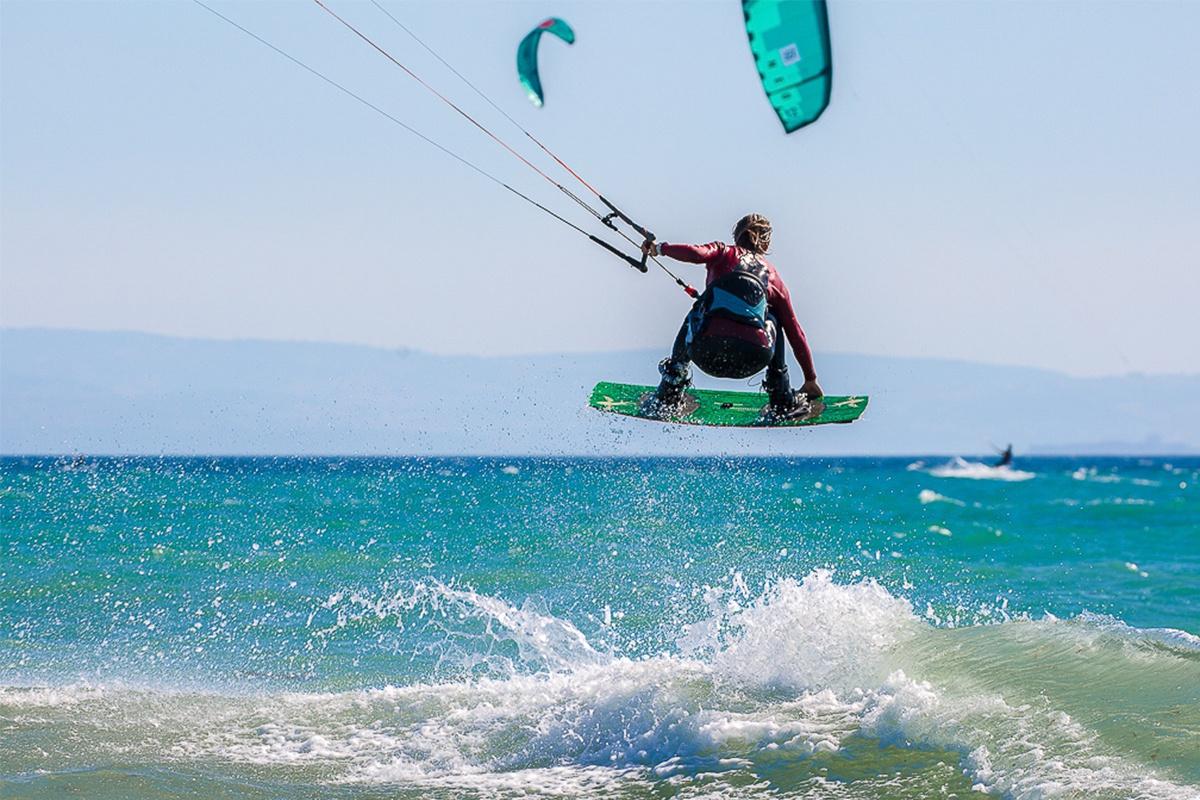
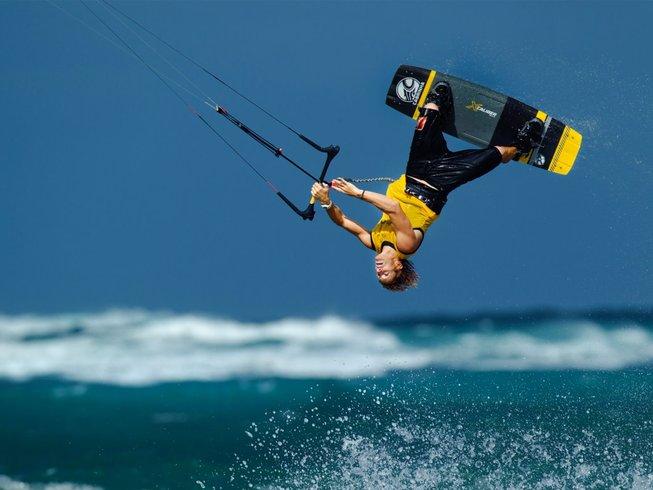
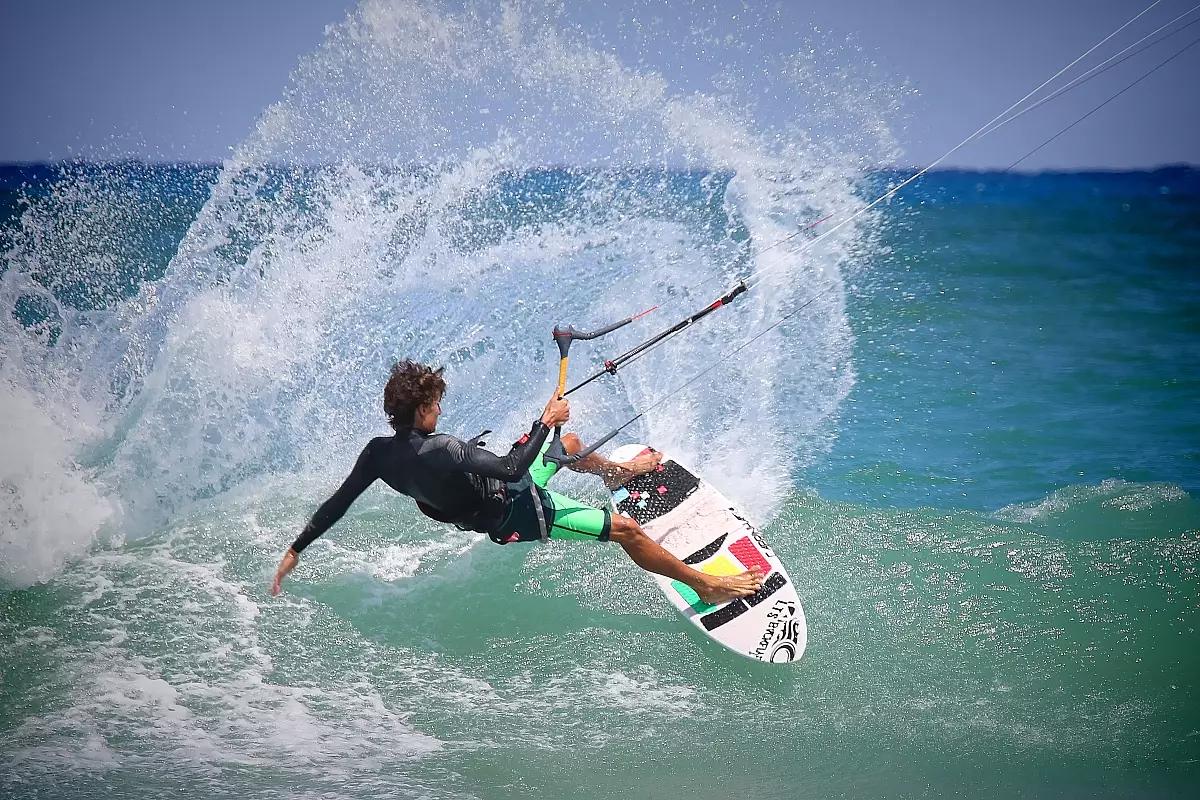
Leaping across the sea with the wind: European kitesurfing becomes a popular coastal sports tourism project.
Kitesurfing combines a surfboard with a large kite. By controlling the pull generated by the kite, athletes complete high-speed gliding, turning and aerial jumps on the sea surface.
Tarifa in Spain is one of the famous kitesurfing destinations in Europe. It has good wind conditions and an active international water sports culture. The Atlantic coasts of Portugal and France also have many wind and wave sports venues.
This sport has a very distinctive visual characteristic: colourful kites form arcs in the sky, athletes glide quickly on the sea surface, and can even use the wind to complete difficult aerial tricks.
The development of kitesurfing has also driven water equipment, sportswear, tourism training and seaside resort industries.
France · Greece · Spain · Europe
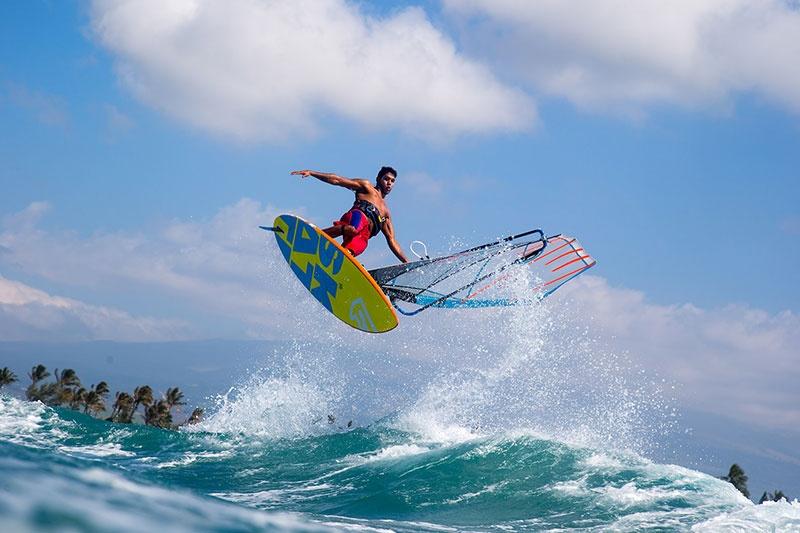
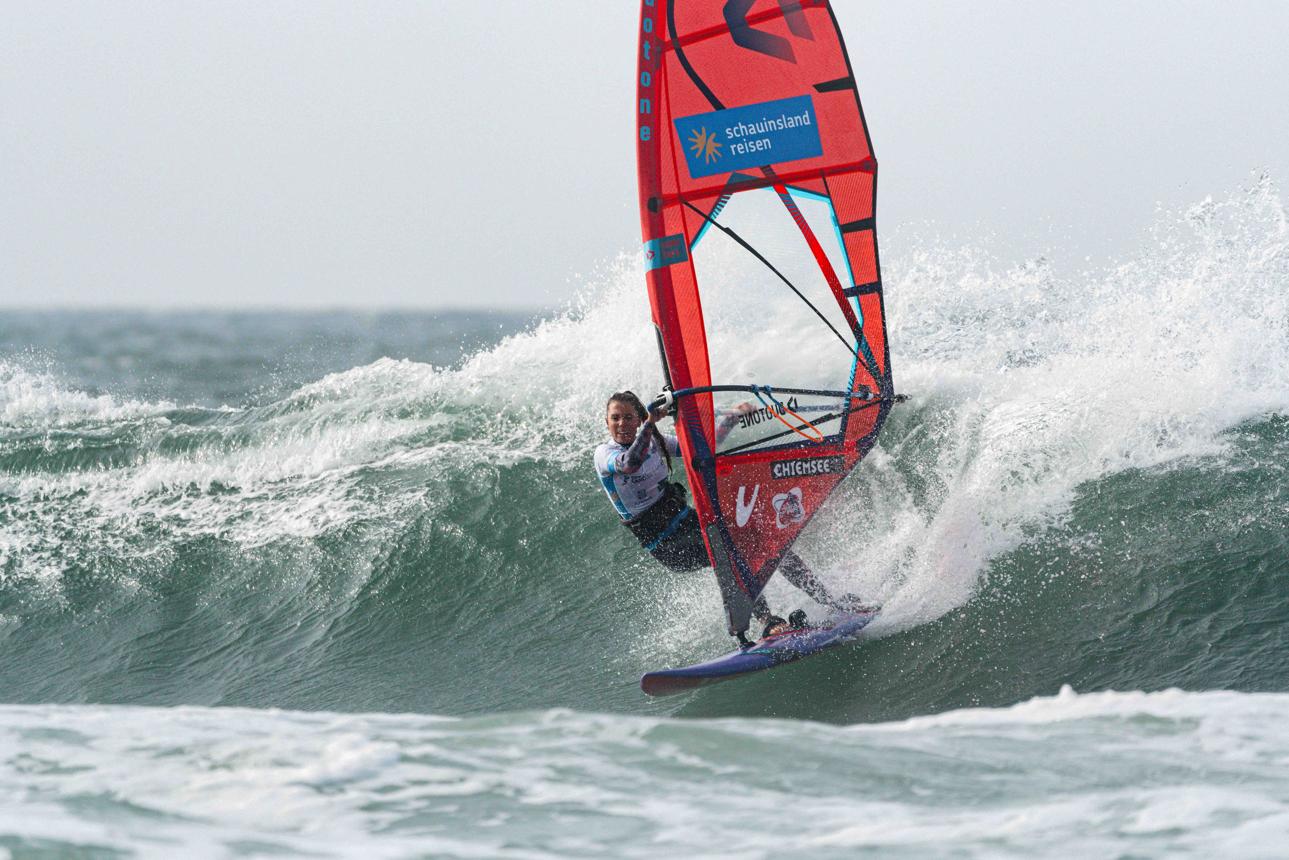
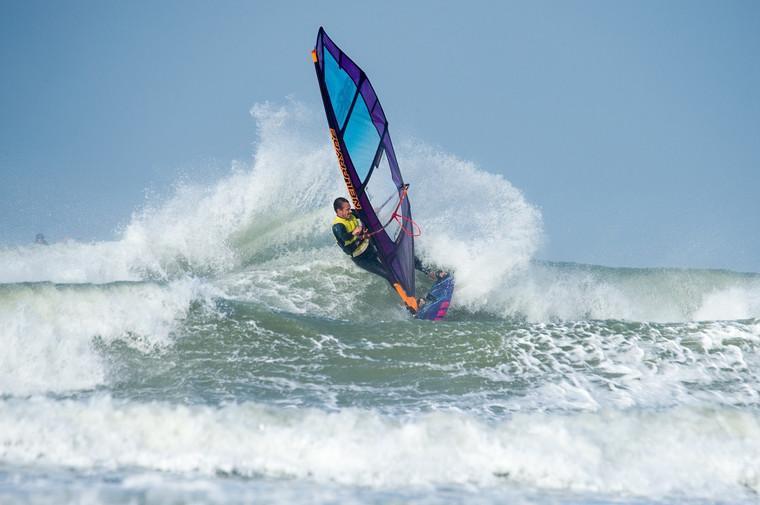
A contest of speed between wind and sea: windsurfing continues to attract international water sports enthusiasts.
Windsurfing is a sport that uses sails to capture wind power and push a board across the water. Professional athletes can complete high-speed gliding, turns and aerial moves in waves and strong wind conditions.
The Atlantic coast of France, the Greek islands and the Spanish coast are all important windsurfing destinations in Europe.
Modern windsurfing equipment is constantly being improved in materials and design. Lightweight boards, sail structures and control systems enable athletes to adapt to different wind and wave conditions.
Windsurfing has not only professional competitive events, but also a mass leisure and training market. Many seaside resorts provide courses and equipment rental for participants of different levels through water sports centres.
Innsbruck, Austria · Switzerland · Italy
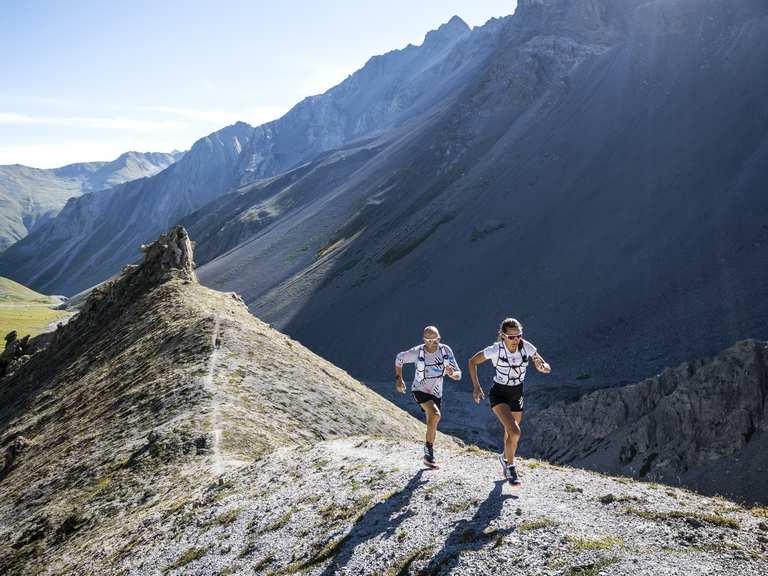
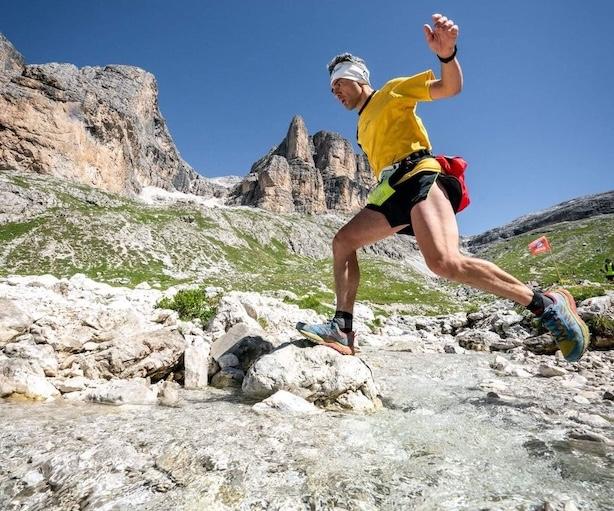
European mountain running enters a new stage of development, as international athletes conquer the high mountains with their feet.
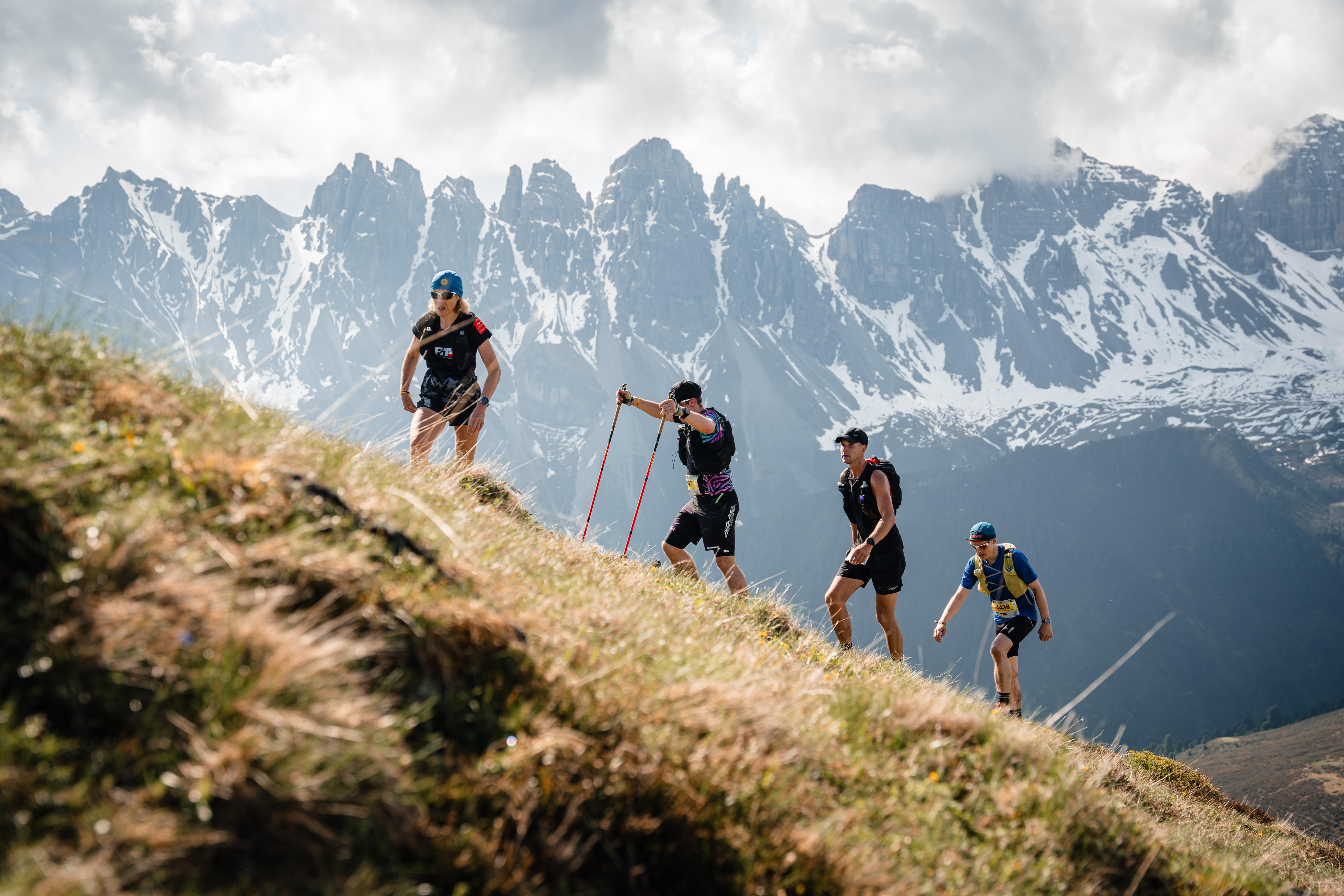
Trail running is a sport that combines long-distance running with the challenge of natural terrain. Athletes need to complete races on mountain paths, forests, rocks and high-altitude routes.
Skyrunning pays more attention to high altitude, steep slopes and technical terrain; some courses require athletes to move quickly between complex ridges and slopes.
In May 2026, the Innsbruck Alpine Trailrun Festival in Austria achieved remarkable results, attracting about 9,000 participants from 82 countries and regions, with a total of 13 races. The scale of the event set a new record for the number of participants.
Meanwhile, the 2026 World Mountain Running World Cup plans to arrange 16 races, covering 10 host countries, with a total prize pool of about 250,000 euros, reflecting the further development of international mountain running events.
Source Innsbruck Alpine · World Athletics
Stay with the story
Fifteen sports, a European special report and the events, athletes and outdoors shaping the year ahead — delivered to your inbox.